
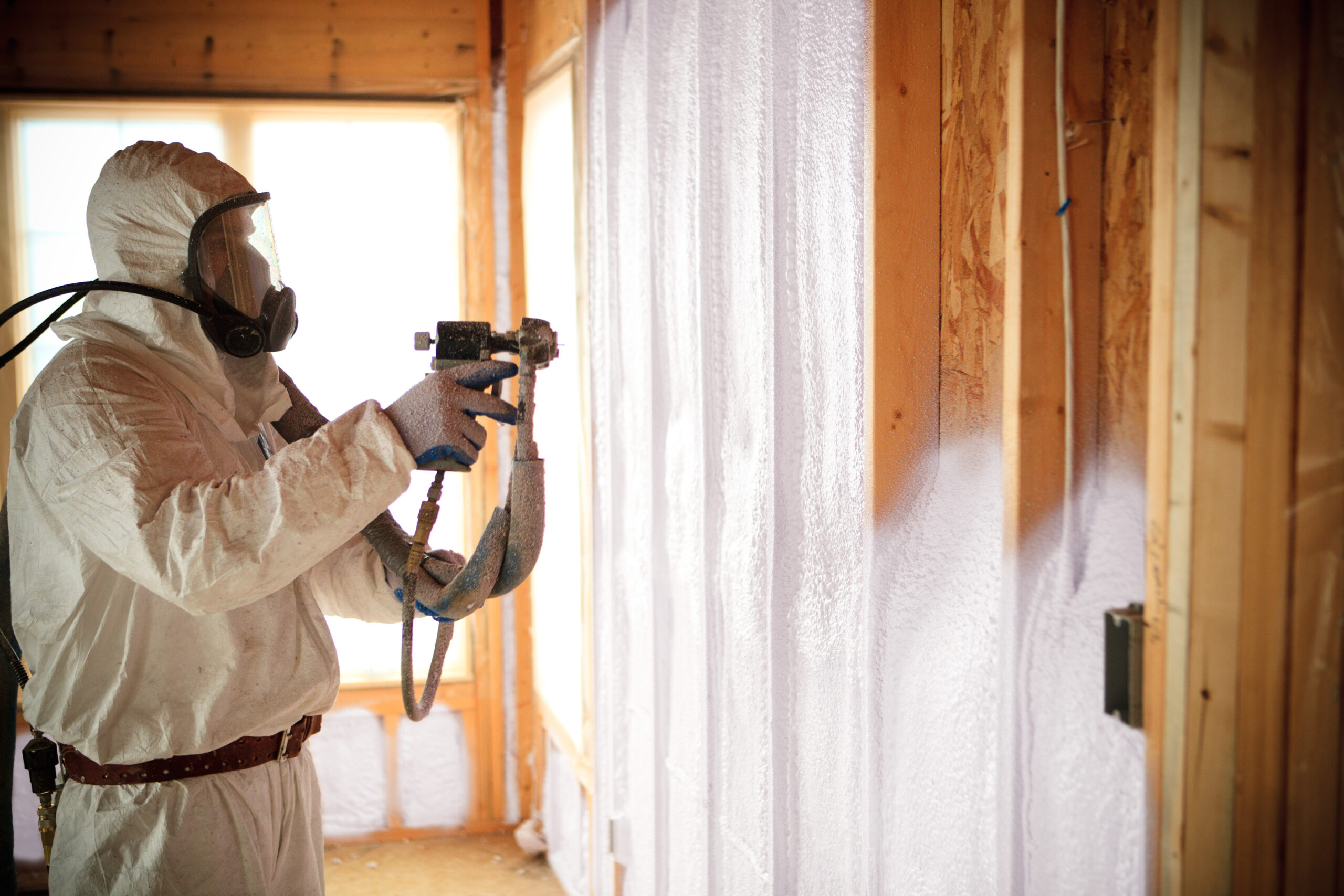
Spray foam insulation · Free local quotes
Spray foam insulation, quoted by local pros.
Tell us about your attic, walls, crawlspace or metal building. We’ll match you with a qualified spray foam installer near you for a free, no-pressure estimate.
- Open-cell and closed-cell foam
- Homes, pole barns and commercial buildings
- Free quotes. No obligation, no pressure
- 15%average savings on heating & cooling from air sealing plus insulationSource: ENERGY STAR
- R-6–7per inch for closed-cell foam, about double fiberglass battsSource: R-value guide
- 1 stepinsulates and air-seals at the same time, so drafts stop at the source
- 3–8 yrstypical payback on a whole-house spray foam projectSource: Cost guide
Why spray foam
One upgrade. Four problems solved.
Spray foam is the only common insulation that air-seals and insulates in a single pass.
Stops drafts for good
Foam expands into the cracks around framing, wiring and plumbing that batts and blown-in insulation leave open.
Helps control moisture
Closed-cell foam is a vapor retarder, which makes it the go-to for crawlspaces, basements and metal buildings.
Quieter, more even rooms
An airtight shell means fewer hot and cold spots and less outside noise coming through the walls.
Lower energy bills
Your heating and cooling system stops fighting leaks, so it runs less and lasts longer.
Where it goes
Tap a spot to see what foam does there.
Most homes leak the most air in the same five places. Here’s what each one costs and which foam fits.
Attic & roofline
Spraying the underside of the roof deck turns the attic into conditioned space—ideal when ductwork or an HVAC unit lives up there.
- Typical foam
- Usually open-cell, about 5.5″
- Typical price
- $2.20–$3.50 per sq ft
Exterior walls
Fills every gap around outlets, wiring and framing, so walls stop leaking air. Best done during a remodel or new build while the studs are open.
- Typical foam
- Open-cell 3.5″ or closed-cell 2″
- Typical price
- $1.20–$4.00 per sq ft
Rim joists
The band of framing that sits on your foundation is one of the leakiest spots in most homes—and one of the cheapest to fix.
- Typical foam
- Closed-cell, about 2″
- Typical price
- $3.00–$5.00 per linear ft
Crawlspace
Sealing and insulating crawlspace walls keeps damp, cold air from creeping into the floors above.
- Typical foam
- Closed-cell, about 2″
- Typical price
- $2.00–$3.50 per sq ft
Basement & foundation walls
Closed-cell foam on foundation walls insulates and helps keep moisture out of finished basement space.
- Typical foam
- Closed-cell, about 2″
- Typical price
- $2.00–$3.50 per sq ft
Pole barns & metal buildings
Closed-cell foam on the metal panels stops the condensation that “rains” inside uninsulated buildings and keeps shops comfortable year-round.
- Typical foam
- Closed-cell
- Typical price
- Priced per building
Commercial roofs & buildings
Spray polyurethane foam (SPF) roofing creates a seamless, insulated roof surface with no seams to leak.
- Typical foam
- High-density roofing foam + coating
- Typical price
- Priced per project
Price ranges are typical 2026 installed costs from our cost guide.
Ballpark it
What will spray foam cost you?
Slide to your size for a realistic installed-price range, then get exact numbers from a local pro.
Typical installed price
$2,640–$4,200
$2.20–$3.50 per sq ft
Get exact quotes for this projectBased on 2026 price ranges in our cost guide. Access, foam thickness, removal and your region move the final number, and most contractors have an $800–$1,500 job minimum.
Open-cell vs closed-cell
Two foams. Different jobs.
A good contractor will recommend one—or both—based on where it’s going.
Open-cell
≈ 0.5 lb/ft³Soft, spongy and lower cost. Great at air sealing and sound dampening in spaces that stay dry.
- R-3.5 to R-3.8 per inch
- Lets moisture pass through (vapor-open)
- Excellent sound dampening
- Lower price per board foot
Best for: Attic roof decks · interior & exterior walls
Closed-cell
≈ 2 lb/ft³Dense and rigid. The highest R-value per inch, a built-in vapor retarder and extra strength for the wall.
- R-6 to R-7 per inch
- Vapor retarder at about 1.5–2″
- Adds racking strength to framing
- Higher price per board foot
Best for: Crawlspaces · basements · rim joists · metal buildings
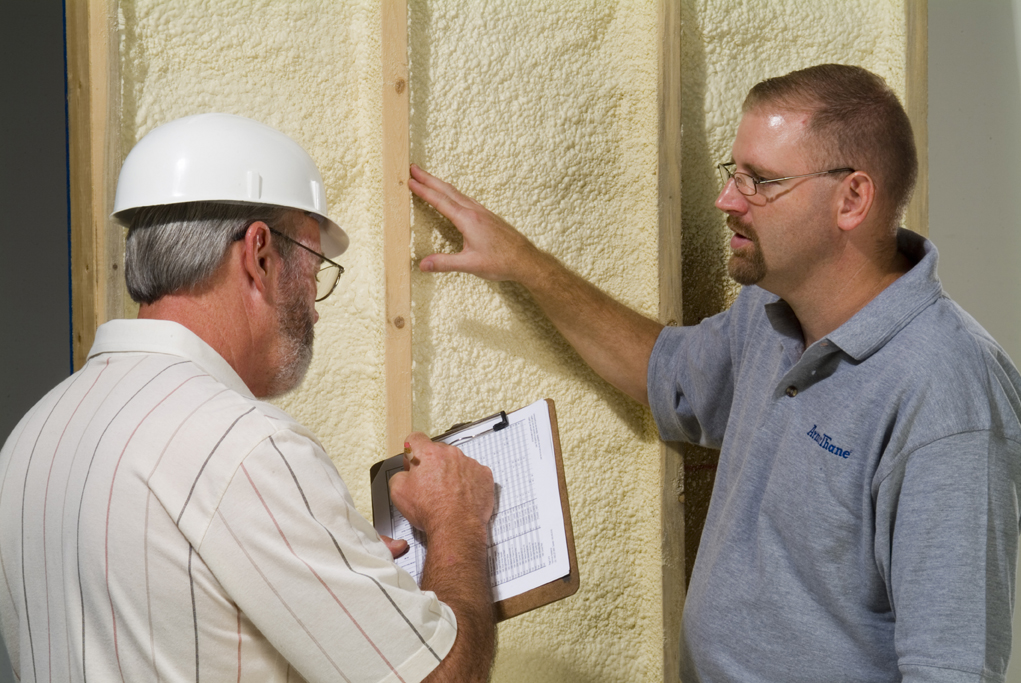
How it works
From question to quote in three steps.
- 1
Tell us about the project
Pick the areas, rough size and timing. It takes about two minutes.
- 2
We match you with a local pro
Your request goes to our team, who connects you with a qualified spray foam contractor serving your ZIP code.
- 3
Get a free on-site estimate
The contractor confirms the details, measures, and gives you a written quote. No obligation.
Guides
Fresh from the blog
 Financing a Spray Foam Project: Loans, Rebates, and Tax Credits
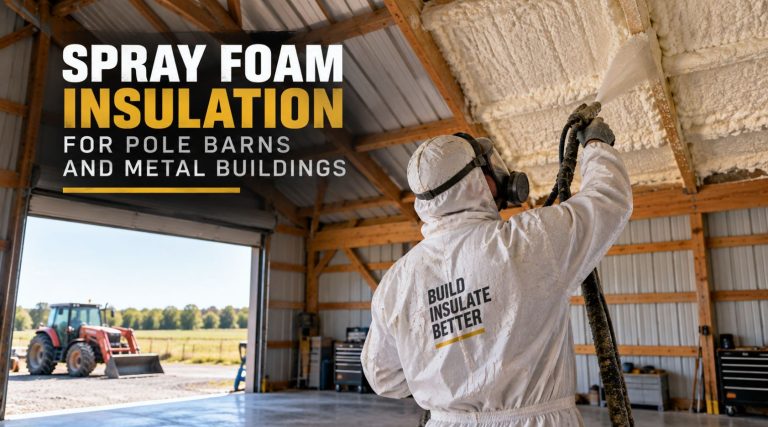 Spray Foam Insulation for Pole Barns and Metal Buildings
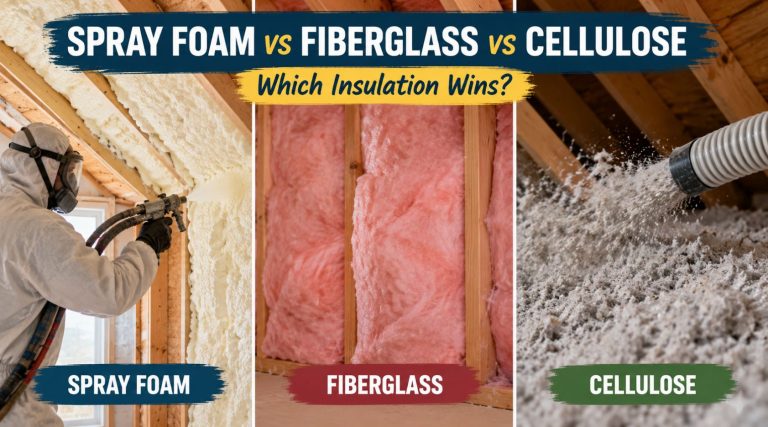 Spray Foam vs Fiberglass vs Cellulose: Which Insulation Wins?
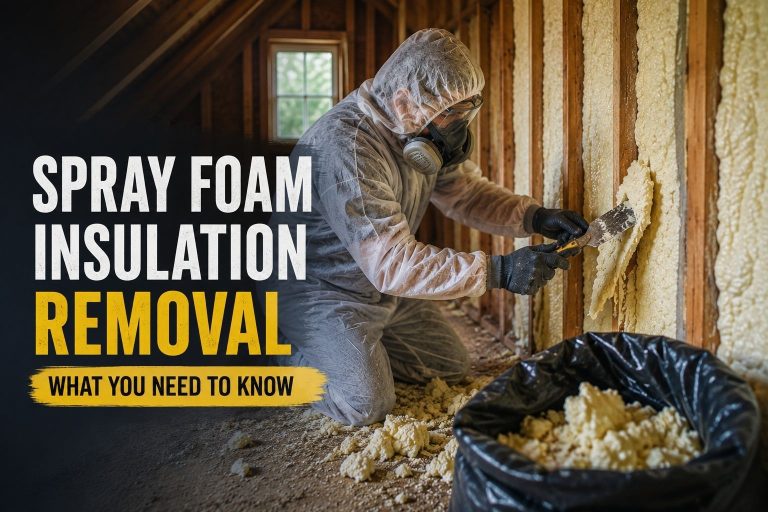 Spray Foam Insulation Removal: How to Safely Remove Old or Failed Foam
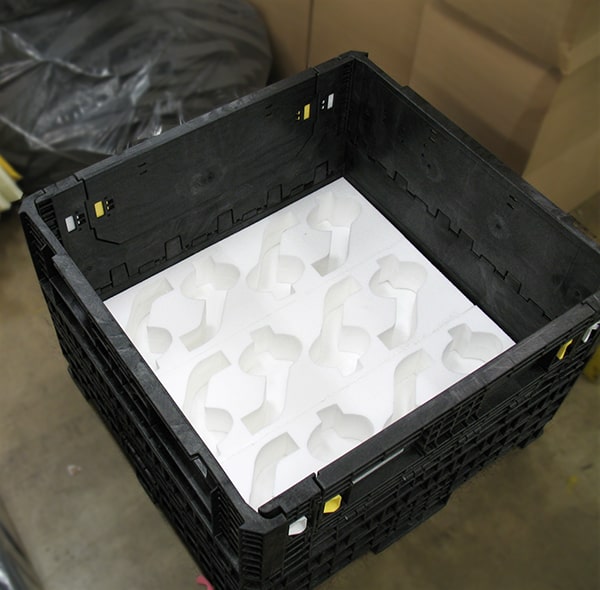 Spray Foam and the Expanding Role of Dunnage Protection
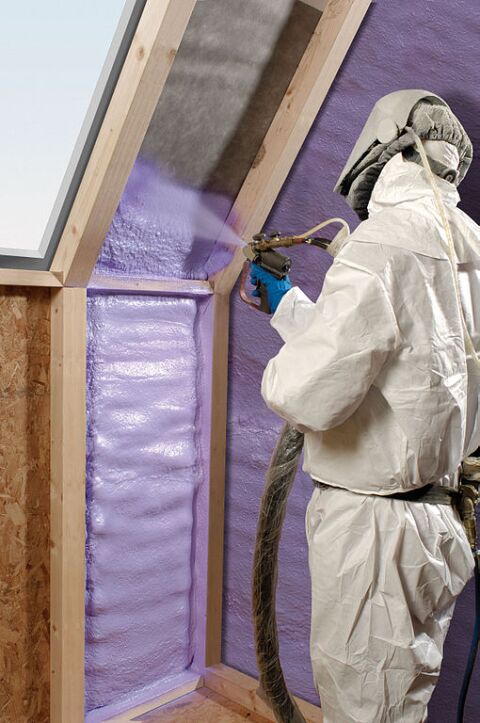 Counting the Cost: What to Know About Closed Cell Spray Foam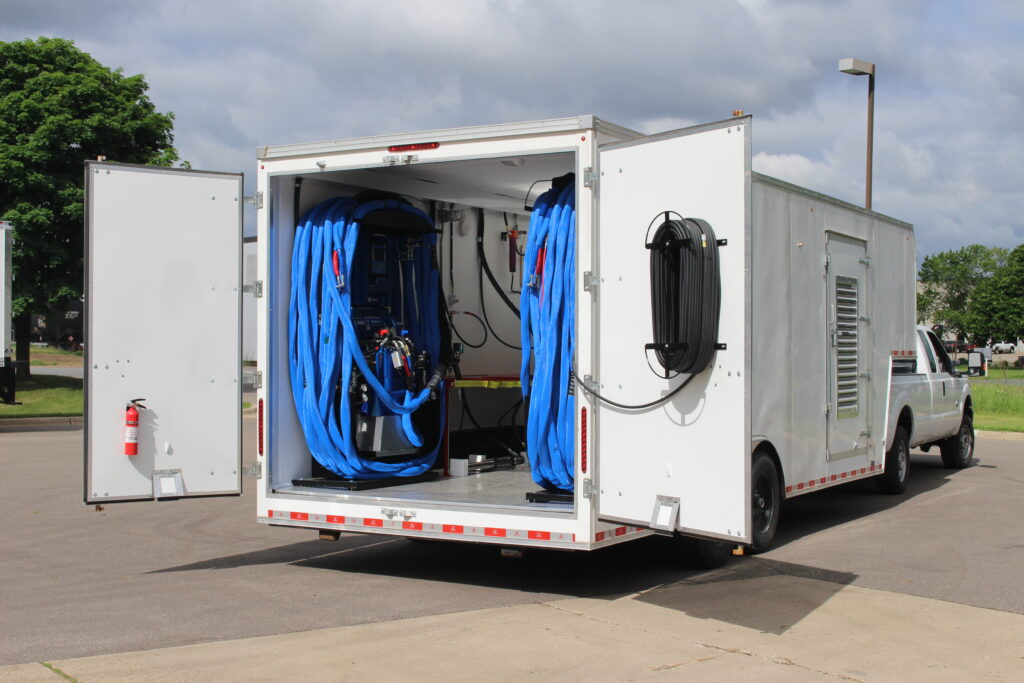
For contractors
Spray foam pro, or want to become one?
Get rigs, materials and hands-on training through ArmorThane, a polyurethane and polyurea manufacturer since 1989.
Questions
Straight answers.
How much does spray foam insulation cost?
Most 2026 projects land between $1.20 and $4.00 per square foot depending on foam type and thickness, and rim joists run about $3–$5 per linear foot. A typical 2,000 sq ft home done top to bottom is roughly $10,000–$16,000. Use the estimator above for a ballpark, then get an exact quote.
Should I use open-cell or closed-cell foam?
Open-cell is the value pick for attic roof decks and walls that stay dry. Closed-cell costs more but adds a vapor retarder and roughly double the R-value per inch, so it’s the usual choice for crawlspaces, basements, rim joists and metal buildings.
Is spray foam safe for my family?
Once it’s fully cured, spray foam is inert. During installation the chemicals do need to cure, so everyone stays out of the house during spraying and for the re-occupancy time the installer and manufacturer specify—often around 24 hours. A professional crew also ventilates the work area.
How long does spray foam last?
Properly installed spray foam doesn’t sag, settle or compress the way batts and loose-fill can, so it typically lasts for the life of the building.
Can I do it myself with a kit?
DIY kits work for small jobs like a few rim joist bays. Whole attics, walls and crawlspaces are better left to a pro with heated, calibrated equipment—mix and temperature problems are the most common cause of failed foam.
How fast will I hear back?
We aim to follow up within one business day by phone or email to confirm your project and connect you with a contractor near you.
Ready when you are
Warmer winters. Cooler summers. Smaller bills.
Tell us about your project and get a free, no-obligation quote from a spray foam pro near you.
- Takes about two minutes
- Your details go to one trusted team, not a bidding list
- Homes, barns and commercial buildings