Spray foam is not one product applied one way. The right foam for a vented crawlspace is the wrong foam for an unvented attic, and the foam that belongs under a slab would be a bad choice on a rim joist. This hub breaks the house and the building down assembly by assembly, with the type of foam each one calls for and the mistake people make most often there.
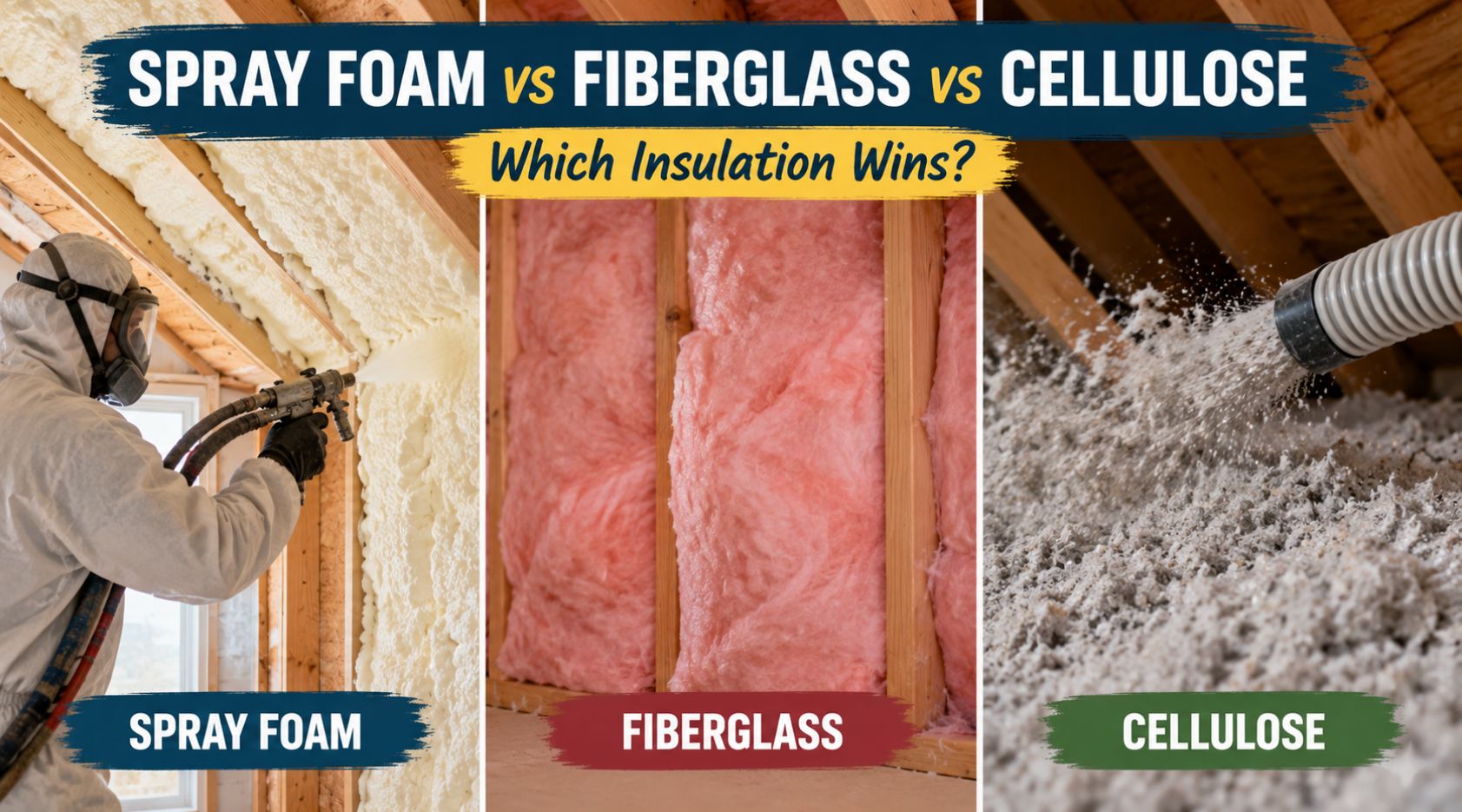
If you are still deciding between the two foams, read open cell vs closed cell spray foam first, then come back. For pricing by assembly, see the 2026 cost guide.
Attics and roof decks
The attic is the single biggest energy leak in most houses and the most common spray foam job. Foaming the roof deck instead of the attic floor creates a hot roof assembly, which brings the whole attic inside the conditioned envelope and takes the ductwork with it.
Read the complete attic and hot roof guide and hot roof assemblies explained. ArmorThane covers the material side at attic foam insulation.
Crawlspaces
A vented crawlspace in a humid climate is a moisture machine. Closed cell foam on the walls plus encapsulation changes the physics of the whole house, including the air you breathe upstairs.
Read crawlspace insulation: encapsulation vs vented. For the waterproofing half of the job, see crawl space insulation.
Rim joists and band joists
The highest return per dollar in the entire house, and almost everyone skips it. A few hundred dollars of closed cell foam on the rim joist stops more air leakage than most window replacements.
Read the rim joist guide.
Walls
New construction walls are straightforward. Existing closed walls are not, which is where injection foam comes in rather than spray.
Read spraying walls and ceilings and spray foam vs injection foam. ArmorThane: wall insulation.
Under concrete slabs
Foam under a slab has to carry load and resist water without crushing. It is a real application with real rules, and the wrong product fails quietly for years.
Read should you put spray foam under your slab?. Where a slab has already settled, the fix is foam concrete lifting rather than insulation.
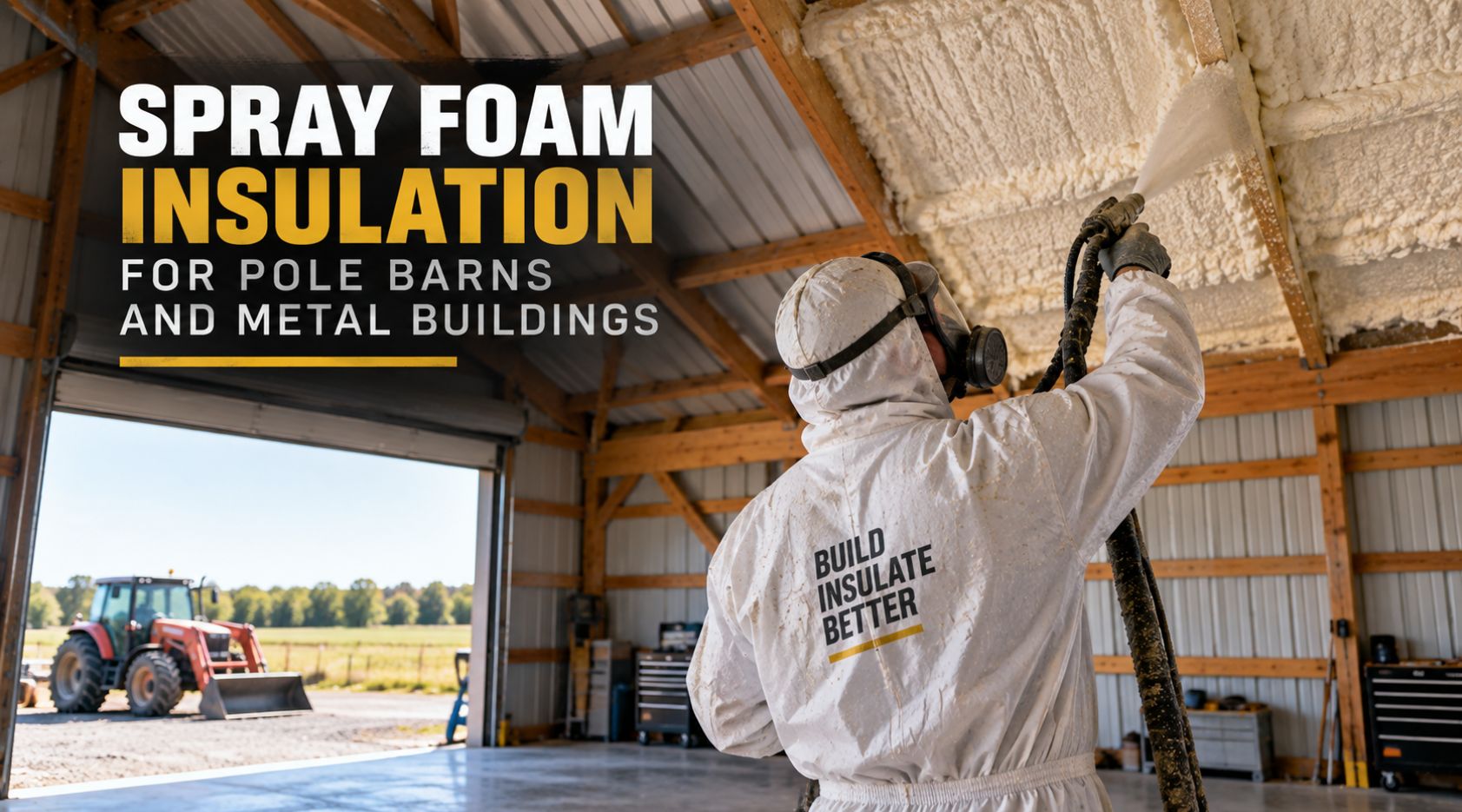
Pole barns, metal buildings and barndominiums
Steel panels sweat. Closed cell foam sprayed directly to the underside of the panel is the standard answer because it is both the insulation and the vapor control in one pass.
Read spray foam for pole barns and metal buildings. ArmorThane: pole barn insulation, metal building insulation and barndominium insulation.
Roofing
Spray polyurethane foam roofing is a monolithic, self-flashing, re-coatable roof over an existing low-slope deck. It needs a protective topcoat, which is where polyurea comes in.
Read the advantages of SPF roofing and using polyurea with spray foam. ArmorThane: spray foam roofing.
Soundproofing
Foam is good at stopping air-borne noise and poor at stopping structure-borne noise, and the two foams behave very differently. Open cell is the better acoustic material, which surprises people.
Read is spray foam good for soundproofing?. ArmorThane: spray foam soundproofing.
Foundations and below grade
Below grade, insulation and waterproofing are the same decision. Closed cell foam plus a polyurea membrane handles both.
Read foundation waterproofing using spray foam. ArmorThane: basement waterproofing and basement wall insulation.
Sheds, garages, shops and hunting blinds
Small outbuildings are the easiest wins and the most common first DIY project. They also tolerate mistakes better than a house does.
Read foam insulated hunting blinds. ArmorThane: garage insulation and shed insulation.
Industrial and specialty
Outside buildings entirely, foam and polyurea handle cryogenic tanks, pipe, dunnage and blast protection.
- Foam and polyurea for blast mitigation
- Dunnage protection
- Cryogenic tank insulation
- Pipe insulation and floor insulation from ArmorThane
Not sure which applies to your building?
Describe the assembly and we will point you at the right foam and the right installer. Get a spray foam quote or find an applicator near you. The full topic map lives in the complete spray foam insulation guide.
For the material specifications behind these assemblies, see ArmorThane’s spray foam insulation systems.
For the material specifications behind these assemblies, see ArmorThane’s spray foam insulation systems.