Last updated: June 11, 2026 | Written by Diana Mills | Reviewed by Jennifer Nakamura
Converting a ventilated attic to an unvented “hot roof” assembly with spray foam is one of the most transformative energy upgrades you can make to an existing home. This guide covers everything homeowners and contractors need to know to get attic spray foam right the first time.
Ventilated vs. Unvented Attic
Traditional attics use ventilation — soffit vents, ridge vents, and gable vents — to remove moisture and keep the roof deck cold. Insulation sits on the attic floor. An unvented (hot roof) assembly moves insulation to the roof deck itself, using spray foam applied to the underside of the sheathing. The attic becomes part of the conditioned space. Mechanical equipment and ductwork in the attic are now inside the thermal envelope — a major efficiency gain since leaky ductwork in a conventional attic can lose 20-30% of conditioned air.
When a Hot Roof Assembly Makes Sense
- Your HVAC equipment or ductwork is located in the attic
- You have cathedral ceilings or finished attic spaces
- Your region experiences ice damming
- Your home has an irregular roofline making ventilation difficult
Open Cell vs. Closed Cell for Attics
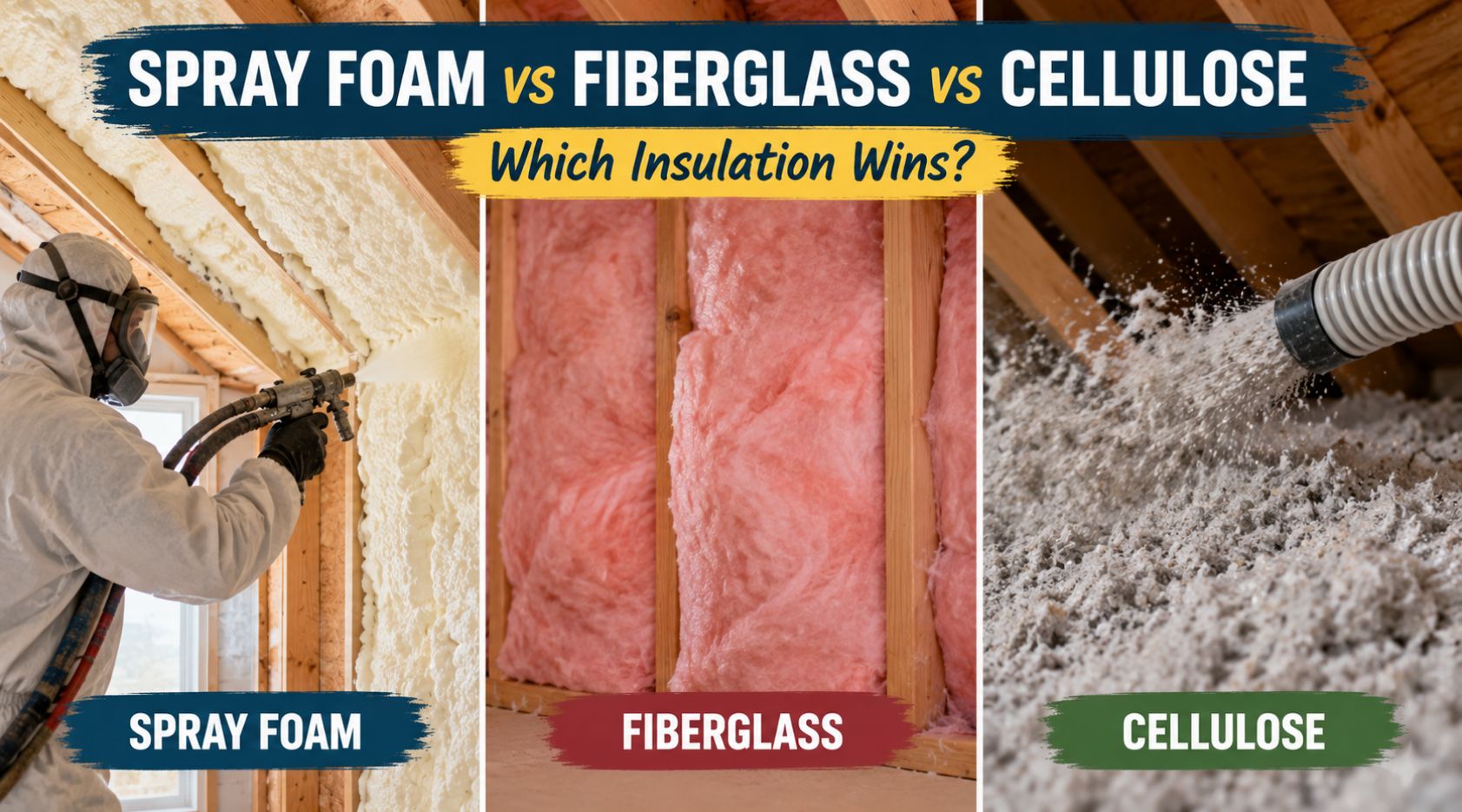
For a full comparison, see our open cell vs. closed cell guide. For attics: open-cell foam works well in Climate Zones 1-4 at 5.5″+. In Climate Zones 5-8, closed-cell foam is typically code-required for unvented attic assemblies due to vapor control requirements.
Estimated Costs
| Zone | Foam Type | Thickness | Cost (1,800 sq ft deck) |
|---|---|---|---|
| Zones 1-3 | Open-Cell | 5.5″ | $4,500–$7,000 |
| Zone 5 | Closed-Cell | 4″ | $9,000–$14,000 |
| Zone 6 | Closed-Cell | 5″ | $12,000–$18,000 |
Energy Savings
Studies by Oak Ridge National Laboratory show that converting to an unvented spray-foamed attic can reduce whole-home HVAC energy use by 15-40%. Savings are most dramatic when ductwork is in the attic. See our full insulation comparison guide and visit our Applicator Directory to find a qualified contractor for your project.
Questions? Post in our Community Forum or visit our Resources page for downloadable guides.
Free · No obligation
Get spray foam quotes from a local pro
Tell us what you want insulated and where. We’ll connect you with a qualified spray foam contractor near you.

Diana Mills is the founder and editor of Foam Insulation Review. With over 15 years of experience in the building materials and spray foam industry, she has tested hundreds of products, interviewed leading contractors, and published in-depth guides for homeowners and professionals alike. Diana is passionate about helping people make smarter insulation decisions.