The number on a spray foam insulation quote stops a lot of homeowners before they get anywhere near scheduling the work. It’s a real investment, often more than other insulation types, and paying the full amount out of pocket isn’t realistic for every household weighing the upgrade. What a lot of people don’t realize going in is how many spray foam insulation financing options actually exist, some through the contractor directly, some through a lender, and some through programs designed specifically to make energy efficiency upgrades more affordable.
This guide walks through the main ways homeowners actually pay for a spray foam project, what to ask about each option, and where rebates and tax credits fit into the overall math.
Why Financing Comes Up So Often With Spray Foam
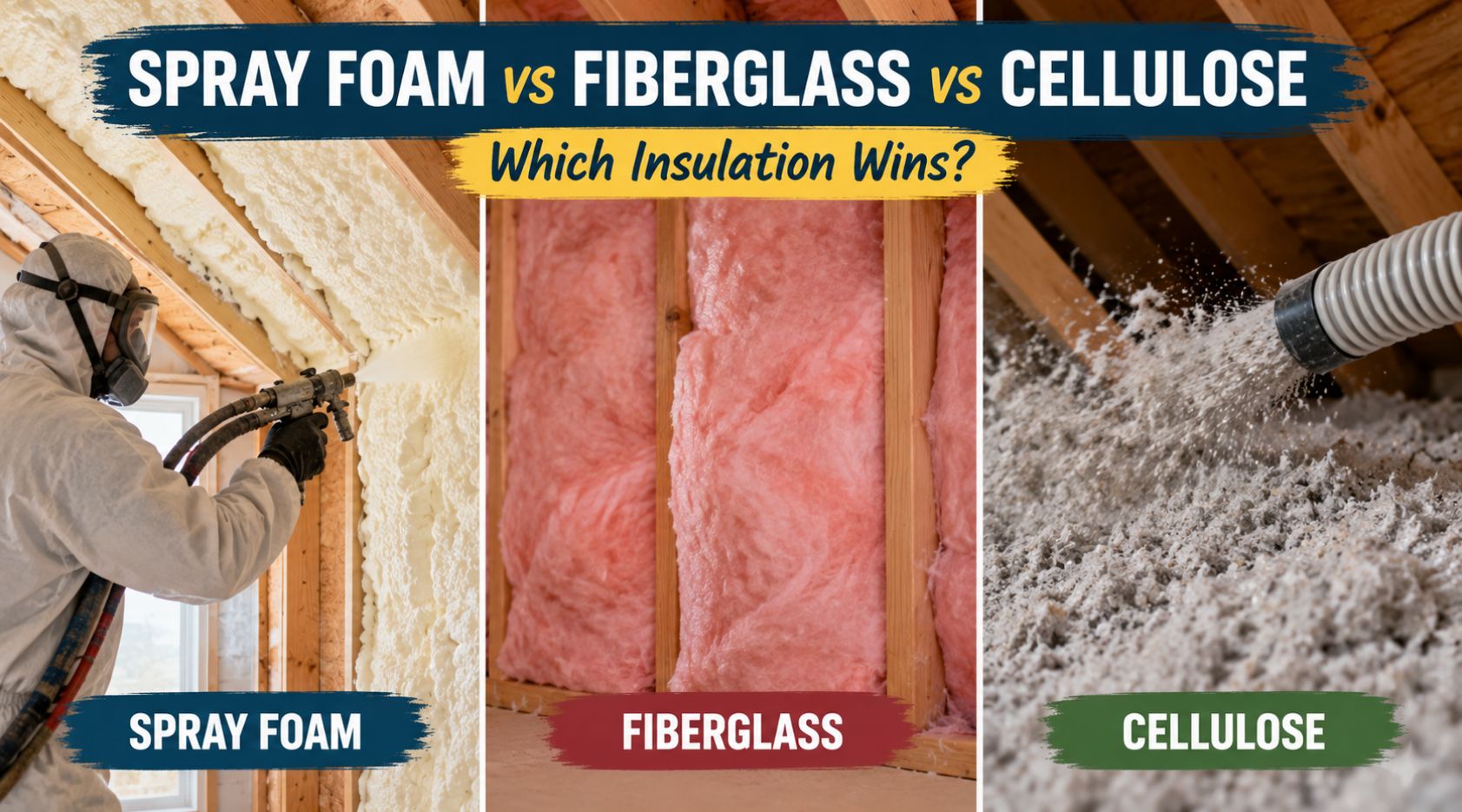
Spray foam insulation typically costs more upfront than fiberglass batts or blown-in cellulose for comparable coverage, a reflection of material cost and the labor and equipment involved in professional application. That higher upfront number is exactly why spray foam insulation financing options matter so much to the decision, since a homeowner comparing a spray foam quote against a cheaper insulation type on price alone is missing part of the picture if financing brings the monthly cost difference down to something genuinely manageable.
It’s also worth remembering that insulation upgrades pay back over time through reduced energy bills, which changes how the financing math should actually be evaluated. A project financed at a reasonable rate, where the monthly payment is offset partly or fully by energy savings, can make more financial sense than waiting years to save up the full amount in cash while continuing to pay higher energy bills in the meantime.
Contractor-Offered Financing
Many spray foam contractors partner with third-party lenders to offer financing directly at the point of sale, letting a homeowner apply and get approved as part of the same conversation as the project quote. This convenience is real, but it’s worth treating a contractor-offered financing plan the same way you’d treat any other loan offer: checking the actual interest rate, whether it’s fixed or promotional with a rate increase after an introductory period, and any fees baked into the agreement.
Some contractor financing programs advertise deferred interest or “same as cash” promotional periods, which can be genuinely useful if the balance gets paid off within that window, but can also carry a retroactive interest charge covering the entire original balance if the payoff deadline is missed, even by a small amount. Reading the actual terms, not just the promotional headline, matters more with this financing type than almost any other.
Home Equity Loans and HELOCs
For homeowners with sufficient equity, a home equity loan or home equity line of credit often offers a lower interest rate than unsecured personal loans or contractor financing, since the loan is secured against the home itself. A home equity loan provides a lump sum with fixed payments, while a HELOC functions more like a revolving credit line, which can be useful if the insulation project is part of a broader renovation with costs spread out over time rather than a single upfront payment.
The tradeoff is that this financing type uses the home as collateral, which is a meaningful consideration regardless of how confident a homeowner feels about repayment. It also typically involves more paperwork and a longer approval process than contractor financing or a straightforward personal loan.
Personal Loans
An unsecured personal loan doesn’t require home equity or collateral, which makes it accessible to a broader range of homeowners, though interest rates are typically higher than a secured option like a home equity loan. For homeowners who want to keep the insulation project financially separate from their mortgage or home equity, a personal loan offers that separation at the cost of a higher rate.
Comparing actual annual percentage rates across a few lenders, rather than accepting the first offer or assuming contractor financing is automatically the best rate available, is worth the relatively small time investment given how much interest can add up over a multi-year loan term.
PACE Financing
Property Assessed Clean Energy financing, where available, allows energy efficiency improvements to be financed through a special assessment attached to the property’s tax bill rather than a traditional loan. This financing type is tied to the property rather than the individual, meaning the repayment obligation can transfer to a new owner if the home is sold before the balance is paid off, which is both a potential benefit and a consideration depending on how long a homeowner expects to stay in the home. PACE program availability varies significantly by state and municipality, so confirming whether it exists in a given area, and understanding its specific terms, is a necessary step before counting on it as an option.
Utility Rebates
Many utility companies offer rebate programs specifically for insulation upgrades, since reducing a customer’s energy consumption benefits the utility’s broader efficiency goals as much as it benefits the homeowner’s bill. These programs vary enormously by utility provider, region, and even change from year to year as program budgets and priorities shift, so the specific rebate amount available for a given project needs to be checked directly with the local utility rather than assumed from general information. Our piece on why energy savings start with quality spray foam insulation covers the efficiency side of this equation, which is often the basis utilities use to justify offering these rebates in the first place.
Federal and State Tax Credits
Energy efficiency tax credits for insulation upgrades have existed at the federal level in various forms, and many states offer their own additional credits or incentives on top of federal programs. Because tax credit programs, percentages, and caps change with tax law updates and can vary by tax year, the specific current credit available for a spray foam project should be confirmed with a tax professional or directly through official IRS or state tax authority guidance rather than relied upon from a general estimate, since acting on outdated figures can lead to real disappointment at tax time.
What’s consistent across most of these programs is that documentation matters. Keeping detailed records of the project, contractor invoices, product specifications, and any required certification of the insulation’s performance rating, protects a homeowner’s ability to actually claim whatever credit applies when it’s time to file.
Financing Options at a Glance
| Option | Collateral Required | Typical Rate Range | Best For |
|---|---|---|---|
| Contractor financing | Usually none | Varies, check promotional terms carefully | Convenience, single-point application |
| Home equity loan/HELOC | Yes, home equity | Generally lower | Homeowners with equity, larger projects |
| Personal loan | No | Generally higher than secured options | Keeping the project separate from mortgage/equity |
| PACE financing | Tied to property tax assessment | Varies by program | Where available, longer-term homeowners |
| Utility rebates | Not financing, a reduction in cost | N/A | Reducing net project cost, check with local utility |
| Tax credits | Not financing, reduces tax liability | N/A | Confirm current amount with a tax professional |
Things to Consider Before Choosing a Financing Path
- Have you compared the actual interest rate and full terms of contractor financing against at least one outside lender, rather than accepting the first offer presented?
- If using a promotional “same as cash” period, is there a clear plan to pay off the balance before the deadline to avoid retroactive interest?
- Has the local utility been contacted directly to confirm current insulation rebate availability and amount, rather than relying on outdated information?
- Has a tax professional been consulted about current, applicable tax credits for this specific project before assuming a particular savings figure?
- Does the financing choice account for how long you plan to stay in the home, particularly relevant for PACE financing tied to the property itself?
For homeowners weighing whether the investment makes sense at all before getting into financing specifics, our cost guide for spray foam insulation covers what actually drives project pricing, useful context before comparing that number against available financing options.
Weighing Financing Against the Project’s Actual Payback
Insulation upgrades aren’t purely a cost, they reduce ongoing energy bills for as long as the insulation performs, which for spray foam tends to be a long service life when properly installed. Our piece on how long spray foam insulation actually lasts is worth reviewing alongside any financing decision, since a longer service life strengthens the case for financing a higher-quality option now rather than choosing a cheaper insulation type to avoid financing altogether, then facing another insulation decision sooner than expected.
Frequently Asked Questions
Is contractor financing always the best option for a spray foam project?
Not necessarily. It’s often the most convenient, but comparing the actual rate and full terms against a home equity loan or personal loan before committing is worth the extra effort, since rates and terms can vary significantly between options.
How do I find out what rebates are available for my project?
Contacting your local utility company directly is the most reliable way to get current rebate information, since programs and amounts vary by provider and region and change over time.
Are spray foam insulation tax credits automatic?
No. Claiming a tax credit typically requires proper documentation and filing, and confirming eligibility and current credit amounts with a tax professional or official tax authority guidance is necessary rather than assuming a credit applies automatically.
What’s the risk with “same as cash” contractor financing offers?
Many of these programs carry retroactive interest charges covering the entire original balance if the promotional payoff deadline is missed, even by a small margin, so understanding the exact terms and deadline is essential before relying on this option.
Does financing make sense if I could technically pay in cash?
It can, particularly if the financing rate is low and the monthly payment is offset by energy savings, since that can free up cash for other priorities while the insulation pays for itself over time regardless of how it was financed.
Conclusion
Spray foam insulation financing options exist precisely because the upfront cost shouldn’t be the deciding factor in whether a home gets a genuinely effective insulation upgrade. Comparing contractor financing against outside loan options, checking current utility rebates directly rather than assuming outdated figures, and confirming tax credit eligibility with a professional before counting on a specific number all turn an intimidating upfront quote into a much more manageable, and often genuinely worthwhile, monthly commitment. Taking the time to actually compare spray foam insulation financing options side by side, rather than accepting whatever’s offered first, is what makes the difference between a good deal and an expensive one.