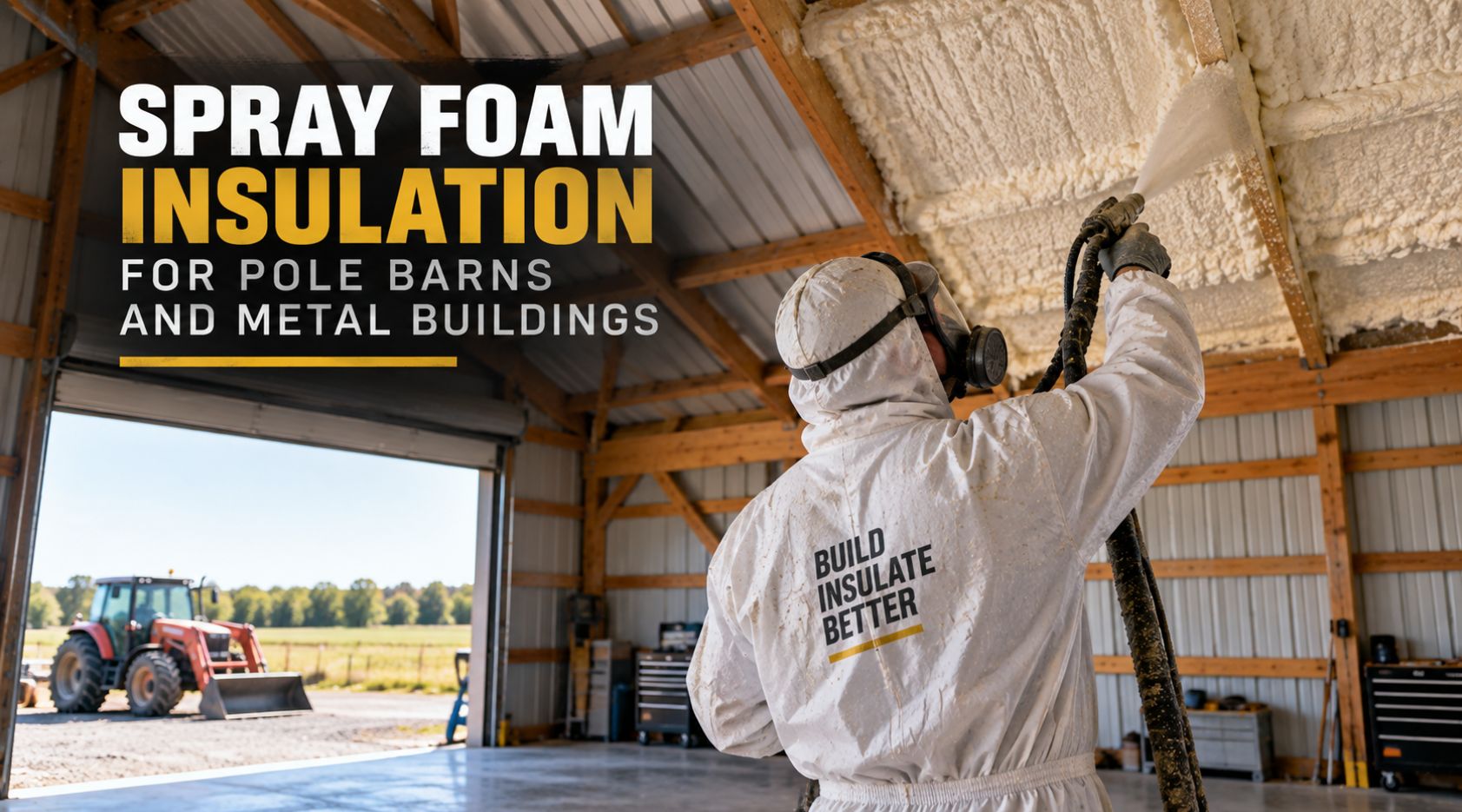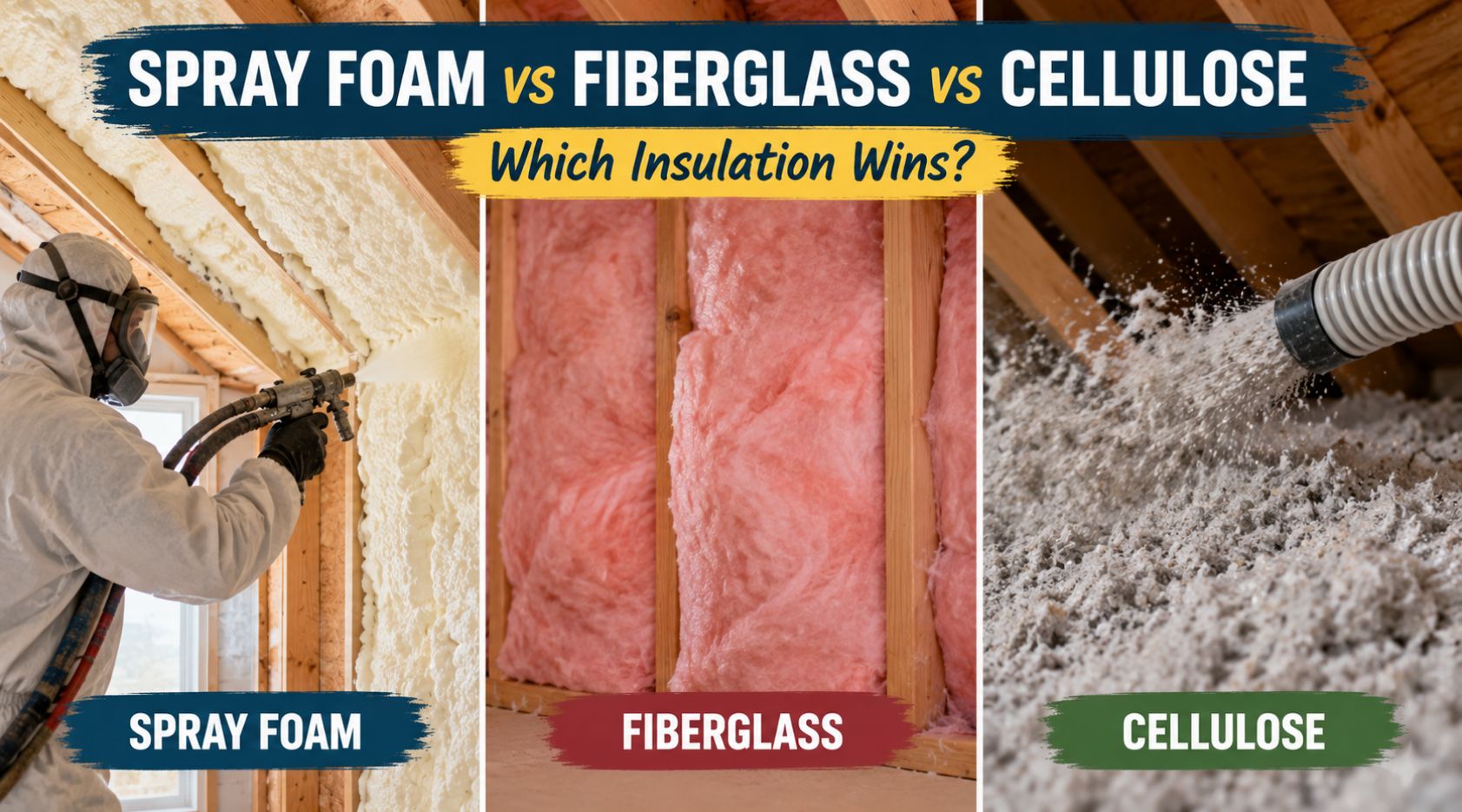
Foam insulation is a great option for both new construction and re-insulation projects. Its benefits are many and there are many different types of foam to choose from. Here are some of the most common types of foam: urethane, polyurethane, and spray-foam. These are all sprayed on the walls to insulate the space between them. The process is easy to understand. Just ask any contractor about the process.

When deciding which type of foam insulation to use, it is important to understand how it affects the environment. Carbon dioxide has a global warming potential of one, methane has 28-36, and spray foam is three times more potent than carbon dioxide. For this reason, the International Residential Code requires that closed-cell spray foam be separated from interior living areas by a thermal barrier. If this barrier is present, the foam insulation can be excluded from NFPA flame spread index ratings.
There are several different types of spray foam available. One of the most common is medium-density closed-cell spray foam, or 2 lb foam. This product is dense and has impressive benefits. The R-value of this product is between five and 6.5 per inch, compared to a mere three-to-four-inch rating for traditional fiberglass. It is also an excellent barrier to air, which makes it ideal for exposed applications.
A high-density spray foam insulation is best for larger jobs. It has a higher R-value, but is difficult to work with. It’s also more expensive. A good choice for smaller jobs is a sprayer with a one-part formula. For bigger jobs, a two-part kit with a high-pressure sprayer is recommended. The R-value of the spray foam is also quite low. The pros of this product outweigh the cons.
One of the most popular types of spray foam insulation is the closed-cell spray foam. It is similar to fiberglass in that it is easy to install and requires minimal training. This type of spray foam insulation is also good for preventing internal wall condensation. The open-cell spray foam expands and contracts, making it more dense. Both types can be used for insulation. For a larger building, however, the more dense the foam, the better.
Another benefit of foam insulation is that it doesn’t require any special training or expertise. Its R-value is dependent on how it is applied, and its density can vary from one manufacturer to another. While closed-cell foam insulation is a great choice for wall-to-wall application, it is important to consider the type of foam you’re applying. It can be difficult to apply, but it doesn’t need to be a problem if it’s applied correctly.
Closed-cell foam is a good choice for interior walls because it does not have open cells, meaning it is less expensive than its open-cell counterpart. Unlike open-cell foam, closed-cell foam is a better choice for homes where the temperature fluctuates rapidly. In addition to being more cost-effective, closed-cell is also better for keeping heat in and reducing ice dams. Regardless of the type of foam insulation you use, the key to choosing the right product for your home is to know what you’re looking for.

Diana Mills is the founder and editor of Foam Insulation Review. With over 15 years of experience in the building materials and spray foam industry, she has tested hundreds of products, interviewed leading contractors, and published in-depth guides for homeowners and professionals alike. Diana is passionate about helping people make smarter insulation decisions.