Last updated: June 5, 2026 | Written by Carla Stinson | Reviewed by Tom Hartley, SPFA CPM
Spray foam insulation is one of the most significant upgrades you can make to a home — and one of the most consequential if it’s done wrong. Unlike fiberglass batts, bad spray foam isn’t just inefficient: improperly mixed or installed foam can off-gas indefinitely, fail to adhere, shrink away from framing, and create moisture problems that take years to discover.
Hiring a qualified spray foam contractor is the single most important decision you’ll make in this process. Here’s exactly how to do it.
Before You Call: Do Your Homework
Before contacting any contractor, use our Find a Certified Applicator tool to identify contractors in your area who hold SPFA (Spray Polyurethane Foam Alliance) certification. SPFA certification requires documented training, field experience, and passing a proctored knowledge exam — it’s not a pay-to-play membership.
The 12 Questions to Ask Every Spray Foam Contractor
1. Are you SPFA certified or do you hold another recognized spray foam certification?
What to listen for: The SPFA Professional Contractor certification is the industry standard. Other recognized credentials include the AirTight Certification (Canada) and manufacturer-specific training programs from Dow, BASF, or Lapolla. Be skeptical of contractors who cite only “years of experience” with no formal credential.
2. What brand of foam system will you be using, and what are the product specs?
What to listen for: A professional will name a specific product (e.g., “Bayseal CC from Covestro” or “Enveritas by BASF”) and be able to provide a product data sheet. Contractors who are vague about products, or who switch products based on availability or cost without disclosing it, are a red flag. Product specs matter: not all “2 lb. closed-cell foam” is equal.
3. What thickness will you be installing, and how will you verify it?
What to listen for: The contractor should give you a specific thickness in inches, the corresponding R-value, and explain how they’ll verify thickness (depth gauges, calibration passes, or photo documentation). “We’ll fill the cavity” is not a sufficient answer for closed-cell applications.
4. What surface preparation do you require before installation?
What to listen for: Proper surface prep is essential for adhesion and performance. A professional will specify minimum surface temperatures (typically 50°F+), maximum moisture content for wood (typically below 19%), and any cleaning requirements for concrete or metal substrates. A contractor who skips this conversation may skip the prep itself.
5. What PPE do you and your crew use during installation?
What to listen for: OSHA requires full-face respirators with combination OV/P100 cartridges (or supplied-air respirators for large projects), chemical-resistant gloves, and full skin coverage for spray foam applicators. If a contractor describes inadequate PPE, they may also be cutting corners on other technical requirements.
6. How long before we can re-enter the building after spraying?
What to listen for: Spray foam requires ventilation and off-gassing time before occupants (including pets) can safely re-enter. The minimum is typically 24 hours after the final pass with adequate ventilation. Be very cautious of any contractor who says you can re-enter after just a few hours for a large application.
7. Do you carry general liability insurance and workers’ compensation?
What to listen for: Request certificates of insurance, not verbal confirmation. General liability should be at least $1M per occurrence. Workers’ comp is essential — without it, an injured worker can sue the homeowner. Have certificates sent directly from the insurance company or ask for a COI you can verify.
8. Can you provide three references from similar projects in the last 12 months?
What to listen for: References should be from projects similar to yours in scope and application type (don’t accept commercial references for a residential retrofit quote). Call all three. Ask specifically whether the crew showed up as scheduled, whether the work area was clean, whether the homeowner noticed any odors, and whether anything required correction after the job.
9. How will you handle the ignition barrier or thermal barrier requirement?
What to listen for: Per IBC/IRC building codes, spray foam insulation in occupied spaces must be covered with a thermal barrier (typically ½” drywall) unless the foam system is specifically listed and labeled as ignition barrier compliant. Many homeowners are surprised to learn their new spray foam crawlspace needs to be covered. A professional will know this requirement and address it proactively.
10. What is your warranty, and what does it cover?
What to listen for: Spray foam manufacturers typically offer a 10-year limited product warranty. The contractor should offer a separate workmanship warranty of at least 1-2 years. Understand exactly what is and isn’t covered: most warranties exclude damage from moisture infiltration, structural movement, or subsequent modifications.
11. How do you handle off-ratio foam or failed adhesion discovered after the job?
What to listen for: This question separates professionals from amateurs. A confident, experienced contractor will have a clear protocol: they identify off-ratio areas visually (color, texture, smell, hardness), probe with a tool, and remove and re-spray any suspect sections at no charge. Evasive answers or “that never happens to us” are red flags.
12. Will you pull permits if required for this project?
What to listen for: Many jurisdictions require permits for spray foam insulation projects, particularly when the foam is replacing existing insulation or being applied to previously uninsulated areas. A contractor who discourages permits to “save time and money” is creating legal exposure for the homeowner. Unpermitted work can cause problems when you sell the home.
Red Flags: Walk Away If You See These
- No written contract or scope of work before the job starts
- Lowest bid is dramatically lower than all other quotes (by 40%+) with no explanation
- Requests for full payment upfront before work begins
- Cannot name the specific foam system they’re using
- Dismisses questions about certifications, insurance, or permits
- Has no verifiable reviews, website, or physical address
- Uses high-pressure tactics or “today only” pricing
Getting Quotes: What to Expect
A professional spray foam quote should include: square footage of coverage area, foam type and brand, installed thickness and corresponding R-value, price per board foot or square foot, timeline, warranty terms, and payment schedule. Get at minimum 3 quotes before selecting a contractor.
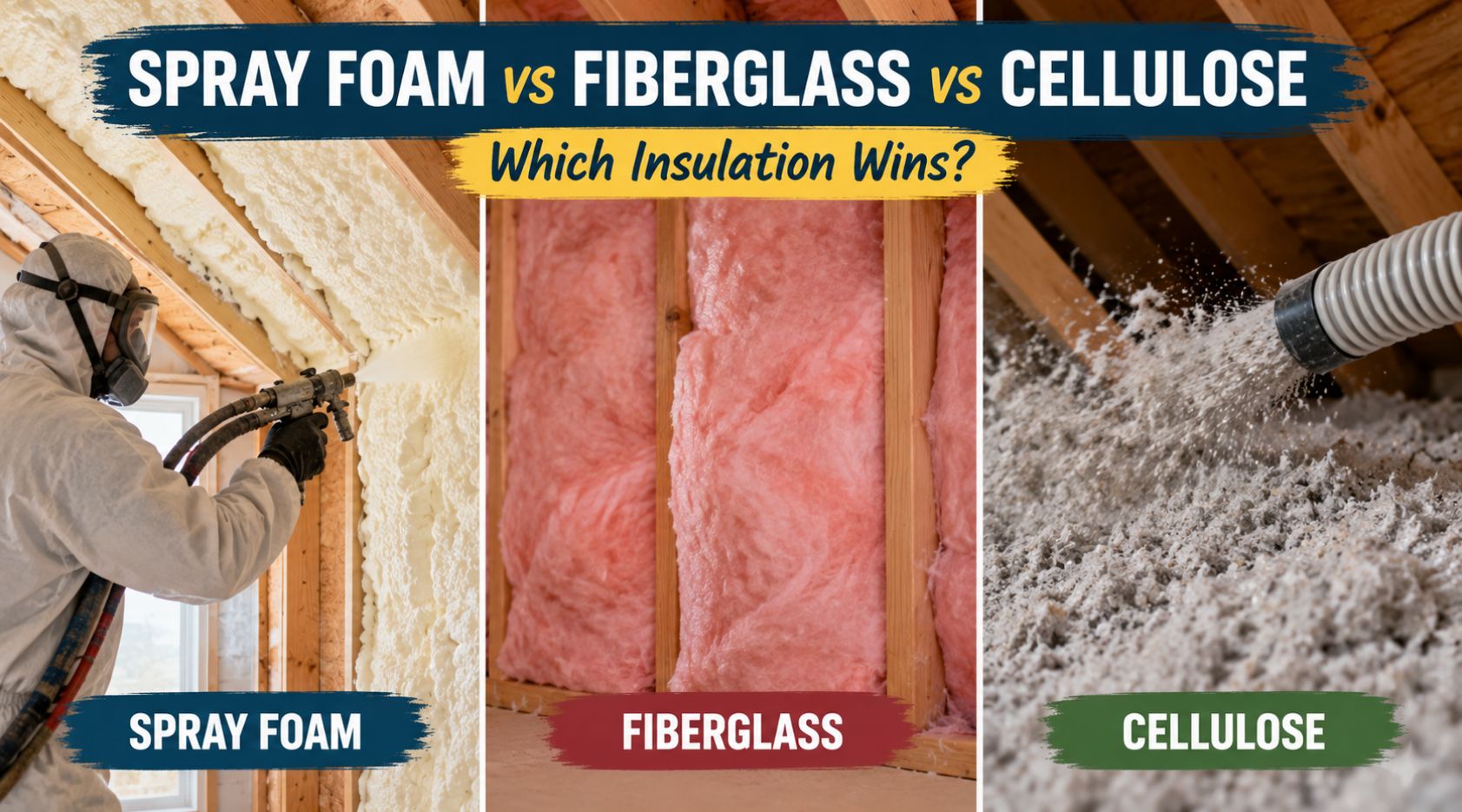
For more information on costs, see our complete cost guide. To find certified applicators in your area, visit our Applicator Directory. And if you’re still comparing options, our spray foam vs. fiberglass guide can help you decide whether spray foam is right for your project at all.
Questions about a specific contractor or situation? Our Community Forum members include licensed contractors who are happy to give second opinions.
Free · No obligation
Get spray foam quotes from a local pro
Tell us what you want insulated and where. We’ll connect you with a qualified spray foam contractor near you.

Diana Mills is the founder and editor of Foam Insulation Review. With over 15 years of experience in the building materials and spray foam industry, she has tested hundreds of products, interviewed leading contractors, and published in-depth guides for homeowners and professionals alike. Diana is passionate about helping people make smarter insulation decisions.