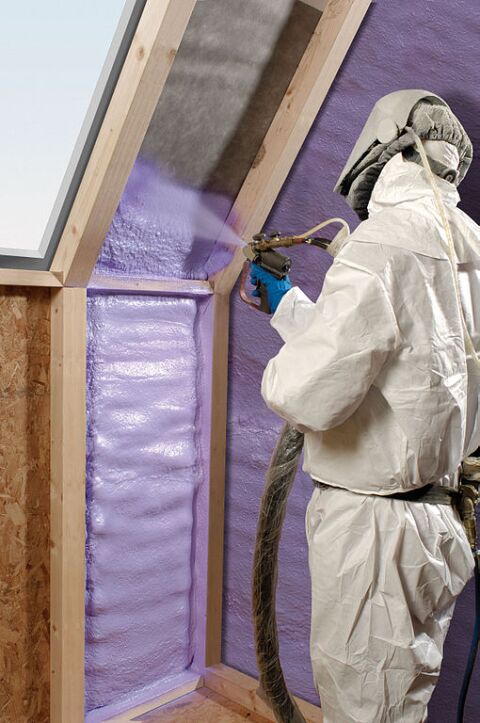
- Closed-cell spray foam is the best all-around insulation for hunting blinds — it delivers R-6 to R-7 per inch, acts as a vapor barrier, and structurally stiffens walls.
- Rigid XPS foam board (R-5/inch) is a budget-friendly alternative — tape seams and fill gaps with canned foam for best results.
- The interior coating matters as much as the insulation — polyurea protects foam from UV, impact, and scent absorption.
- Don’t skip the floor — it’s often the biggest heat loss point in an elevated blind.
- Always ventilate a sealed, heated blind to prevent CO buildup from propane heaters.
If you’ve spent any real time in a hunting blind — the kind of cold where your thermos stops helping around hour two — you already know that comfort is not a luxury. It’s the difference between staying put when the buck finally shows up and bailing out early because you just can’t take it anymore. That’s where foam insulation comes in, and honestly, more hunters should be talking about it.
This guide is for the hunter who’s either building their own box blind from scratch, upgrading a used stand, or just trying to understand why their buddy’s blind stays warmer and quieter than theirs. We’re going to cover the types of foam insulation that make sense for hunting blinds, how they actually work in the field, what to look out for, and why the materials you put on the inside walls matter just as much as the frame itself.
Why Insulation in a Hunting Blind Actually Matters
Most hunters put a lot of thought into location, scent control, and camouflage. Fewer put the same energy into the interior of the blind itself. That’s a mistake. A well-insulated hunting blind does several things at once: it retains heat (or keeps you cooler in early season), it dampens noise from wind and rain, and it reduces condensation — which is one of the sneakier comfort killers in a blind during cold, wet mornings.
Think about a typical November morning sit. Outside temps might be in the mid-20s. You’re running a small propane heater, maybe a Mr. Heater Buddy. Without any insulation, that heat is going straight through your plywood walls and into the atmosphere. You end up burning through fuel fast, and you’re still cold at your feet. With two inches of closed-cell foam on the walls and ceiling? That same heater makes the whole blind toasty within fifteen minutes and holds it there.
Beyond comfort, there’s a scent control angle too. Bare wood breathes. It absorbs and releases odors — including yours — in ways that can work against you. Sealing the interior with foam or a durable coating cuts down on those odor absorption issues significantly. We’ll come back to that.
The Two Main Types of Foam Used in Hunting Blinds
Closed-Cell Spray Polyurethane Foam (ccSPF)
This is the gold standard for anyone serious about insulating a hunting blind. Closed-cell spray foam is dense, rigid, and has an R-value typically ranging from 6 to 7 per inch — roughly double what you get from open-cell foam. It also acts as a vapor barrier, meaning moisture can’t pass through it. That’s a big deal in a blind that goes through freeze-thaw cycles all season long.
You spray it on, it expands, and it bonds directly to the substrate — whether that’s plywood, OSB, steel, or even aluminum. Once cured, it’s structural. It actually stiffens the walls of your blind, which matters if you’re dealing with a lighter-gauge box blind that rattles and flexes in the wind.
The downsides? It’s more expensive than rigid foam board, and if you’re doing it yourself, the two-component kits (which you can find at farm supply or online) have a learning curve. Temperature matters when you apply it. Too cold and it doesn’t expand properly. Too hot and it cures before you can spread it. For small blinds, a two-component foam kit in the 600-board-foot range is usually enough to do the walls, ceiling, and floor.
Rigid Foam Board (EPS and XPS)
Expanded polystyrene (EPS) and extruded polystyrene (XPS) foam boards are the DIY-friendly option. You cut them to fit with a utility knife, glue or pin them in place, and you’re done. EPS — the white beaded stuff — runs about R-3.6 to R-4 per inch. XPS — the pink or blue boards — gets you closer to R-5 per inch and handles moisture better than EPS.
For a budget-conscious build, two inches of XPS on the walls and ceiling is a solid approach. It’s not as seamless as spray foam (gaps at the edges and corners can be an issue), but if you tape the seams and run a bead of caulk or use spray foam in a can to fill gaps, you can get close to the performance of a full spray job.
One thing people overlook with rigid foam: it’s fragile on the surface. Hunters bump into things, gear rubs on walls, and over a season or two, that foam face can start to crumble and flake. That’s why the interior finish coat matters — something we’ll get into shortly.
Open-Cell Foam: When It’s Right (and When It’s Not)
Open-cell spray foam is cheaper and softer than closed-cell, and it does a good job of air sealing and soundproofing. The issue in a hunting blind is moisture. Open-cell foam is permeable — water vapor moves through it, and in certain climates, it can absorb enough moisture over time to start degrading, losing R-value, or even growing mold. If your blind is in a wet environment and you’re not coating over the foam surface, open-cell isn’t the right call.
That said, for a heated blind in a dry climate where you’re mostly worried about noise and air leakage, open-cell foam in the ceiling can actually be a nice choice. It’s softer underfoot (if used in a floor application), kills echo, and is significantly cheaper per board foot than closed-cell.
Installation Tips That Most Guides Skip
Here are a few things that don’t get covered enough in the generic “how to insulate your deer blind” articles floating around:
Prep the surface before spraying. Spray foam bonds better to clean, dry wood. If your blind has been sitting in a field for a season, wipe down the interior walls and let them dry completely before you spray. Moisture on the substrate will mess with the foam expansion and adhesion.
Don’t skip the floor. Most hunters insulate the walls and ceiling and stop there. The floor might be the biggest heat loss point — especially if the blind is sitting on a trailer or elevated frame with open air underneath. Even a single inch of closed-cell foam on the floor, topped with a piece of plywood to protect it, makes a meaningful difference.
Think about your window frames before you foam. Spray foam expands with real force. If you spray around a window that’s not properly braced or blocked, you can bow the frame and end up with a window that won’t close or seal right. Tape off the areas you don’t want foam, and brace any window or door frames before you spray.
Ventilation still matters. A well-sealed, well-insulated blind with a propane heater can build up CO quickly. Make sure you have a vent — even a simple adjustable vent cap cut into the wall — so you’re not trapping gases inside. Comfort is important, but not worth getting careless about propane safety.
What Goes Over the Foam? The Interior Coating Question
This is where a lot of DIY builds fall short. You’ve sprayed two inches of closed-cell foam on every surface, it looks great, and then you call it done. The problem? Spray foam — especially closed-cell — is technically flammable if left exposed. Building codes (even if you’re ignoring them for a field blind) exist for a reason. Beyond fire codes, exposed foam gets damaged. It yellows in UV, it cracks if flexed repeatedly, and it sheds particles that you don’t want sitting in a confined space with you for hours.
The right move is to put a durable topcoat over the foam. This is where polyurea coatings have become really popular in the blind-building community. Polyurea is the same family of material used to line truck beds, coat industrial equipment, and waterproof concrete — but applied in thin coats, it creates a flexible, seamless, impact-resistant shell over your foam insulation that solves all of the problems mentioned above.
If you want to understand more about why the coating matters beyond just aesthetics, this article from Polyurea Nation on why the coating inside your hunting blind matters more than you think does a solid job of breaking down the functional reasons — scent control, durability, and moisture resistance — in practical terms that actually translate to the field.
For builders who want to go deeper into the actual application process — equipment, technique, common mistakes — the American Polyurea Association has put together a training guide for hunting blind builders working with polyurea coatings that’s worth bookmarking if you’re planning a serious build.
Spray Foam vs. Foam Board: Which Should You Actually Use?
It depends on your budget, your timeline, and how serious you are about this blind’s long-term performance.
If you’re building a blind you plan to use for the next ten to fifteen years, spray it with closed-cell and coat the interior. Yes, it costs more upfront. But you do it once, you don’t have to worry about it again, and the blind performs like a real structure — quiet, warm, dry, and durable.
If you’re on a tight budget or you’re insulating a blind you didn’t build (a commercial pop-up style or a used box blind you picked up secondhand), rigid foam board is perfectly respectable. Use XPS over EPS, tape your seams, fill your corners and gaps with canned foam, and put a thin topcoat or liner over it to protect the surface.
Both approaches beat an uninsulated blind by a wide margin. If you’ve never hunted out of a properly insulated box blind on a cold morning, you might not know what you’ve been missing. It’s a different experience entirely.
R-Value Targets for Hunting Blind Insulation
People ask a lot about how much insulation is “enough.” Here’s a practical breakdown based on typical hunting conditions in the U.S.:
Mild climates (Southeast, coastal regions, early season): R-7 to R-10 total is usually plenty. One inch of closed-cell or two inches of XPS board handles this easily.
Moderate climates (Mid-Atlantic, mid-South, Great Plains early season): Aim for R-13 to R-15. Two inches of closed-cell or three inches of XPS gets you there.
Cold climates (Upper Midwest, Northern Plains, Rocky Mountain region): R-20 or better is not overkill when you’re sitting in sub-zero temps. Three inches of closed-cell foam or a combination of two-inch XPS plus spray foam fills and coating is the right approach here.
These numbers assume you’re also sealing air gaps — because a perfectly insulated wall with air leaking around the door frame is still going to be a cold blind. Air sealing and insulation work together.
Commercial Hunting Blinds and Factory Insulation: What You’re Actually Getting
Most commercial hunting blinds — even the higher-end ones from brands like Maverick, Shadow Hunter, or Big Game — ship with minimal insulation if any at all. They’re designed to be weatherproof, not truly insulated. The walls are typically double-wall construction with a thin air gap, which helps some, but doesn’t come close to what a properly foam-insulated blind provides.
This is why aftermarket insulation of commercial blinds has become such a common project. Hunters buy a solid pre-built blind for the structural quality and convenience, then spend a weekend spraying the inside. It’s a reasonable approach — you get the fit and finish of a factory unit with the performance of a custom build.
One thing to check before you spray a commercial blind: some manufacturers use interior liners or coatings that don’t bond well with spray foam. Test a small patch in an inconspicuous corner before committing to the whole interior.
Noise Reduction: The Underrated Benefit of Foam Insulation
Hunters obsess over scent and visibility, but noise control doesn’t get enough credit. Wind against an uninsulated wall, rain on bare metal or thin plywood, the rattle of a loose panel — these sounds carry, they spook deer, and they’re fatiguing over a long sit. Foam insulation — especially the spray-applied kind — dramatically dampens all of these.
Closed-cell foam stiffens the walls so they can’t vibrate as freely. It fills the air gaps that allow sound to transmit. The result is a noticeably quieter blind — one where you can shift in your seat without it sounding like you’re moving furniture, and where a rain shower becomes a soft hiss instead of a drumming roar.
If you’re hunting pressured deer on public land or near agricultural fields with high human activity, that extra quiet might actually be what lets you stay longer and stay more still. The compounding effect of comfort and silence is real.
Common Mistakes to Avoid
A few things go wrong repeatedly in blind insulation projects. Here’s what to watch for:
Using too-thin of a layer. A half-inch of spray foam is better than nothing, but it’s not insulation in any meaningful way. Commit to at least an inch of closed-cell or two inches of rigid board if you want real performance. Thin coats waste material and don’t deliver the results that justify the effort.
Ignoring penetrations. Electrical wire runs, vent holes, and screw penetrations are all thermal bridges and air leak points. Run a bead of canned foam around every penetration before you close up the walls.
Foam on the outside. Closed-cell spray foam degrades rapidly in direct sunlight — it yellows and becomes brittle within a season or two. If you’re applying foam to any exterior surface, it needs to be coated or covered immediately. Keep your foam work on the interior.
Not testing your propane setup beforehand. This isn’t strictly an insulation tip, but it’s related: a well-insulated blind heats up faster and stays hot longer. If you’ve never used a propane heater in a small, sealed space, calibrate your expectations. You may need a smaller heater than you think, and you need that vent cracked.
Building or upgrading a hunting blind is one of those projects that pays dividends for years. The insulation work is unglamorous — nobody posts pictures of their foam-sprayed walls the way they post trophy shots — but it’s what separates a miserable January sit from one where you’re actually enjoying yourself. If you want to dive deeper into the specifics of closed-cell versus open-cell spray foam performance, there’s a lot more to explore on this site. Get the insulation right, and everything else about your season gets a little easier.
Frequently Asked Questions About Hunting Blind Insulation
What is the best foam insulation for a hunting blind?
Closed-cell spray polyurethane foam (ccSPF) is widely considered the best option for hunting blinds. It delivers the highest R-value per inch (R-6 to R-7), acts as a vapor barrier to prevent moisture issues, and bonds directly to walls and ceilings to create a seamless, airtight thermal envelope. For budget-conscious builds, two-inch XPS (extruded polystyrene) foam board is a solid alternative at around R-10 total.
How much R-value does a hunting blind need?
It depends on your climate. For mild climates in the Southeast, R-7 to R-10 is usually sufficient. Moderate climates in the mid-South or Great Plains benefit from R-13 to R-15. In cold climates like the Upper Midwest or Northern Plains, aim for R-20 or higher. Air sealing is equally important — even a well-insulated blind will feel cold if air is leaking around window frames or door gaps.
Do I need to coat over spray foam inside a hunting blind?
Yes, it’s strongly recommended. Exposed closed-cell spray foam is flammable, degrades under UV light, and can shed particles over time. A protective topcoat — polyurea is the most popular choice in the blind-building community — seals the foam surface, adds impact resistance, reduces scent absorption into the walls, and gives the interior a clean, finished look that holds up through years of hard use.
Can I insulate a commercial hunting blind after buying it?
Absolutely. Aftermarket insulation of commercial blinds from brands like Shadow Hunter, Maverick, or Big Game is a very common project. Most commercial blinds use double-wall construction with minimal insulation. Spraying closed-cell foam on the interior walls and ceiling, then coating over it, transforms the performance significantly. Just test a small area first to confirm the foam bonds properly to the factory interior liner.
Is open-cell or closed-cell foam better for a deer blind?
Closed-cell is better for most deer blind applications because it resists moisture, provides a higher R-value per inch, and doesn’t degrade if exposed to condensation or rain infiltration. Open-cell foam is cheaper and does a great job of soundproofing, but its moisture permeability makes it risky in wet climates or unsealed blind interiors. If you’re using open-cell foam, always apply a waterproof topcoat over it.