Closed cell spray foam is the heavyweight of spray-applied insulation. It is dense, rigid, high in R-value per inch and stubborn about letting air and moisture vapor through. It is also the version that gets oversold, because its strengths sound like a cure for every building problem. This guide explains what closed cell spray foam actually is, where it earns its place in a building, where another material makes more sense, and what to check before you approve a quote.
It leans on three kinds of sources: the U.S. Department of Energy’s Building America guidance, Building Science Corporation’s residential spray foam guide, and the technical data sheet for ArmorFoam 2.0, a closed cell polyurethane spray insulation system. Numbers in this article come from those documents, and each product’s own data sheet should always be the final word for a real job.
What closed cell spray foam is
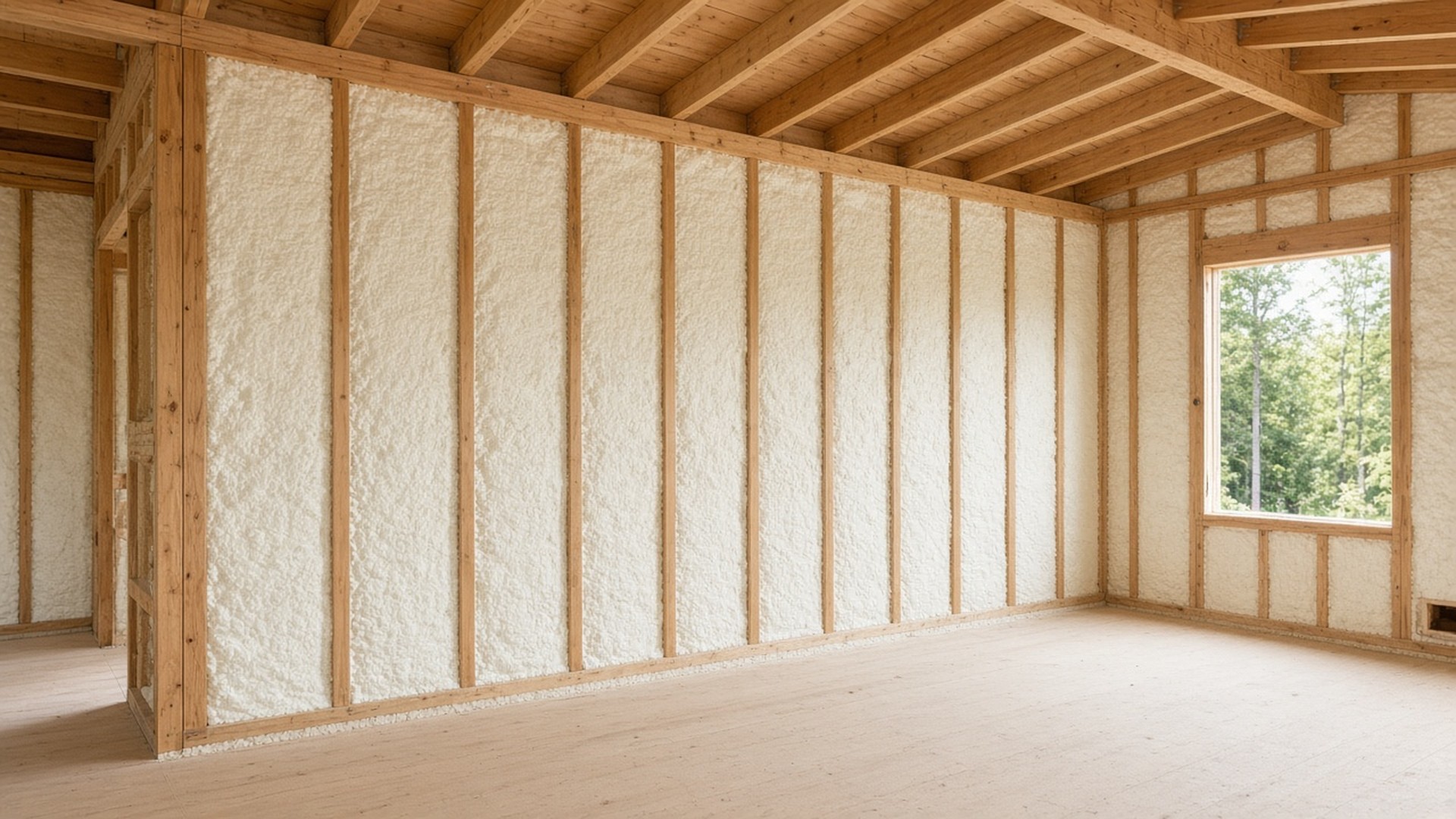
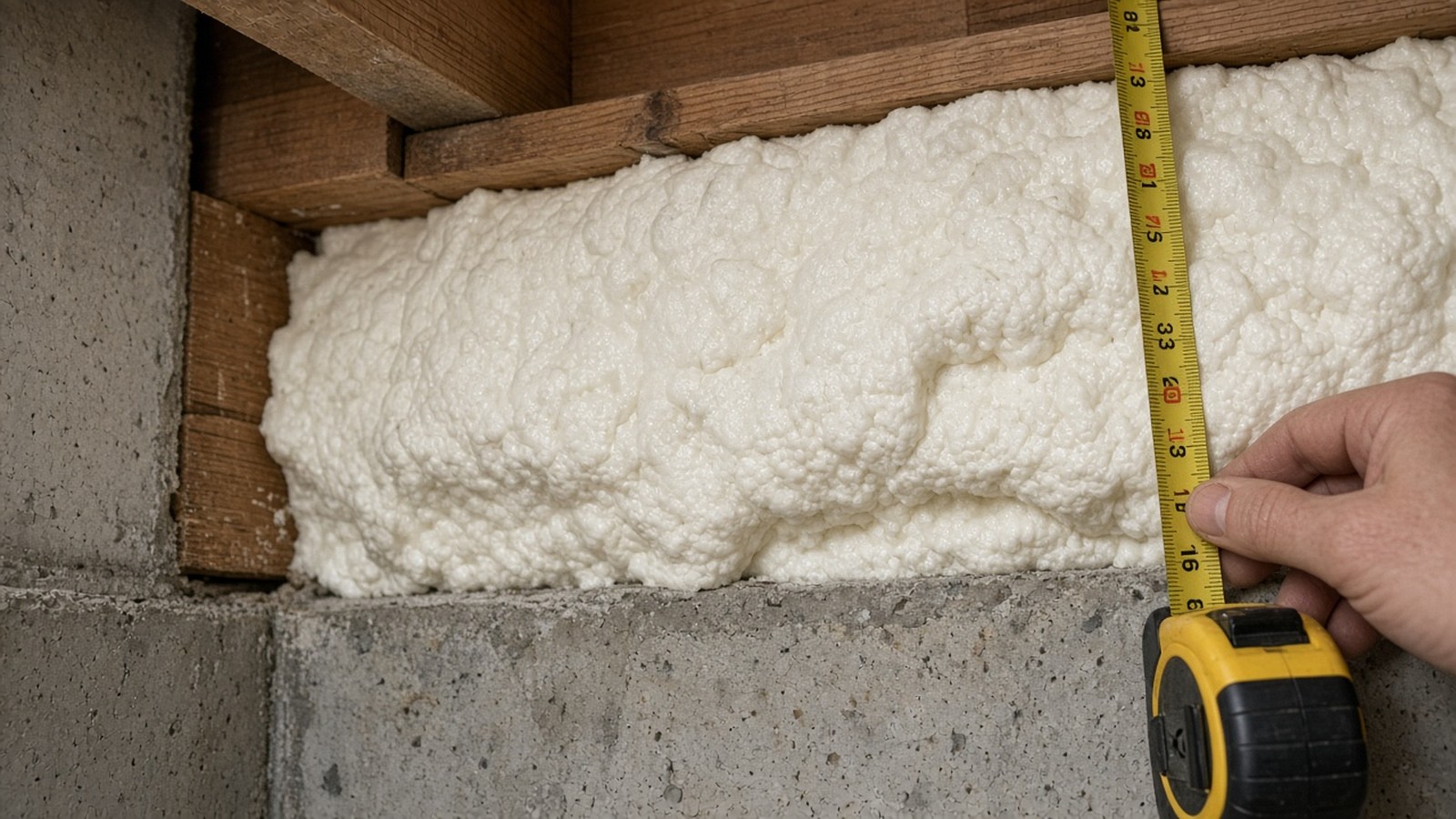
Closed cell spray foam is a two-component polyurethane system. The A side and B side are heated, metered and mixed at the gun. They react on the surface and expand into a rigid foam in seconds. “Closed cell” describes the structure: the foam is made of tiny sealed cells. The Department of Energy’s Building America guide, Which Spray Foam Is Right for You?, says closed cell foam keeps over 90 percent of its cells closed, which traps the insulating gas inside and makes the foam rigid and hard to compress.
The ArmorFoam 2.0 data sheet gives a concrete example. It describes a fast-set, closed cell polyurethane spray insulation system with a nominal density of 1.9 pounds per cubic foot, closed cell content of 92 to 96 percent, compressive strength of 35 psi, tensile strength of 70 psi and a typical aged R-value of 7 per inch measured under ASTM C518. Its flame spread is under 25 and smoke development under 450 on the ASTM E-84 test. DOE’s guide lists a typical closed cell figure of about R-6 per inch, and other industry summaries describe a range of about R-6 to R-7. The takeaway is simple: closed cell foam is roughly twice as insulating per inch as open cell, and the exact figure depends on the product and its age, so read the data sheet for the one on your job. Our complete guide to spray foam R-value goes deeper on the numbers.
Closed cell spray foam vs open cell
The two foams behave differently, not just numerically. DOE’s guide notes that closed cell foam is rigid, acts as a vapor retarder at typical applied thickness, is hydrophobic and, in frame walls, can substantially increase racking strength. Open cell foam is softer, more vapor permeable and lower in R-value per inch. Our article on open cell vs closed cell spray foam compares them side by side. The short version: closed cell is the problem solver for tight spaces, moisture-prone assemblies and cold climates. Open cell is often the sensible choice for large, dry cavities where R-value per inch does not matter as much.
Building Science Corporation makes a similar point for walls. Its residential spray foam guide says either foam type can work as cavity insulation in most climates, and that in colder climates high density closed cell foam is preferred. At a thickness of 1.5 inches, it qualifies as a Class II vapor retarder under the International Residential Code for IECC Climate Zones 5 to 8 and Marine 4. That one detail is why closed cell foam is popular for cold-climate walls and roofs, and why climate zone belongs in every quote.
Where closed cell spray foam pays off
- Rim joists and band joists. Small area, high air leakage, and a spot where space for insulation is tight. See our guide to spray foam for rim joists.
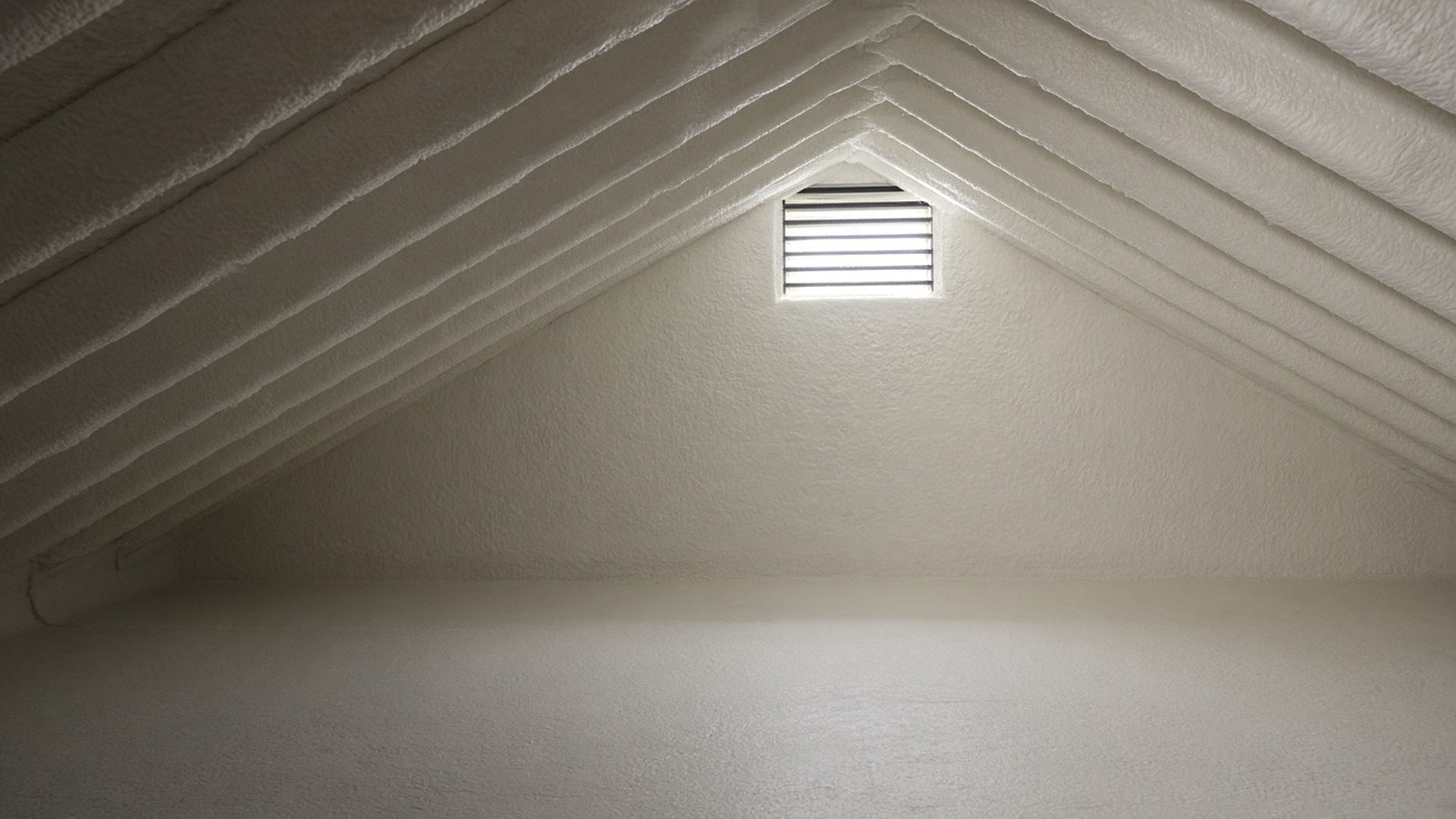
- Unvented attics. Building Science notes that unvented conditioned attics can be built by spraying open cell or high density closed cell foam directly to the underside of the roof deck. Closed cell gives more R-value in limited rafter depth. Our spray foam attic insulation guide explains hot roof assemblies.
- Crawl spaces and basements. Closed cell foam is hydrophobic and does not absorb water, so it is a common choice where dampness is a concern. Read our crawl space insulation guide for encapsulation vs vented crawl spaces.
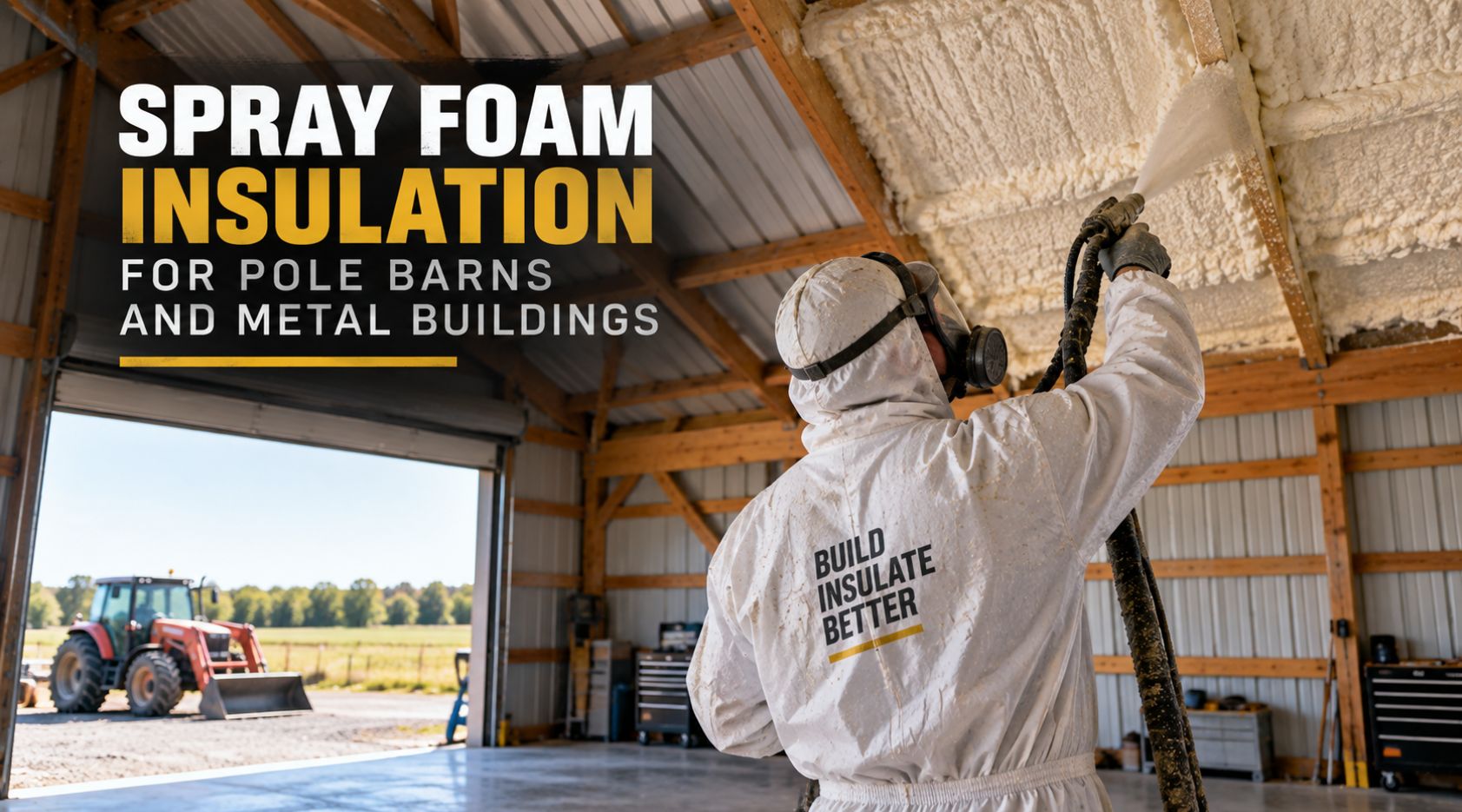
- Metal buildings and tanks. The ArmorFoam 2.0 data sheet lists perimeter and interior wall insulation, attic and crawl space insulation, monolithic dome construction and metal storage or blending tanks among its typical uses. For barns and shops, see spray foam for pole barns and metal buildings.
- Cold climates and tight cavities. Where wall depth is limited and the code asks for a vapor retarder, closed cell foam can do two jobs in one layer.
Where closed cell spray foam is not the right answer
- Exposed exterior surfaces. The ArmorFoam 2.0 data sheet says it should not be used for exterior applications because sunlight rapidly degrades the foam, and that a foam used as roofing needs a suitable coating for UV protection. A roof-specific foam such as ArmorFoam Roof 3.0 exists for roofing work, with its own data sheet and coating requirements.
- Continuous submersion. The same data sheet says not to use it where the foam will stay submerged in water. Hydrophobic does not mean waterproof forever.
- Unprotected interiors. Foam plastic has to be covered. The data sheet states that foam used as an interior insulation system must be protected by an approved 15 minute fire rated thermal barrier and meet all local building codes.
- Big dry cavities where open cell does the job. If R-value per inch is not the limiting factor, a softer foam may be enough.
Fire protection and building code basics
Two code terms come up in every spray foam conversation. A thermal barrier is a material placed between the foam and the building interior that delays the foam’s temperature rise in a fire. The Spray Polyurethane Foam Alliance explains that the IBC and IRC prescribe 15-minute thermal barriers such as half-inch gypsum wallboard. An ignition barrier is a lighter layer allowed in some attics and crawl spaces where entry is only for repairs or utility service. Prescriptive examples include 1.5-inch mineral fiber insulation or 3/8-inch gypsum board. Your local code and the foam’s evaluation report decide which applies, and the installer should name the plan before work starts. Our guide to common spray foam problems lists what happens when the details are skipped.
Install conditions that affect quality
Closed cell foam is chemistry on a wall, and the weather matters. The ArmorFoam 2.0 data sheet is a good illustration of what a product maker asks for:
- Ambient air and substrate temperatures between 55 and 100 degrees Fahrenheit.
- Dry substrates. Rain, fog, frost, dew or humidity above 85 percent can react with the components and hurt foam quality.
- Wind under 10 miles per hour, since stronger wind can change texture, cure and overspray drift.
- Multiple passes on overhead work, not one heavy pass.
- Minimum processing parameters of 1,000 to 1,300 psi working pressure and a working temperature of 120 to 135 degrees Fahrenheit for the machine.
Safety and re-entry
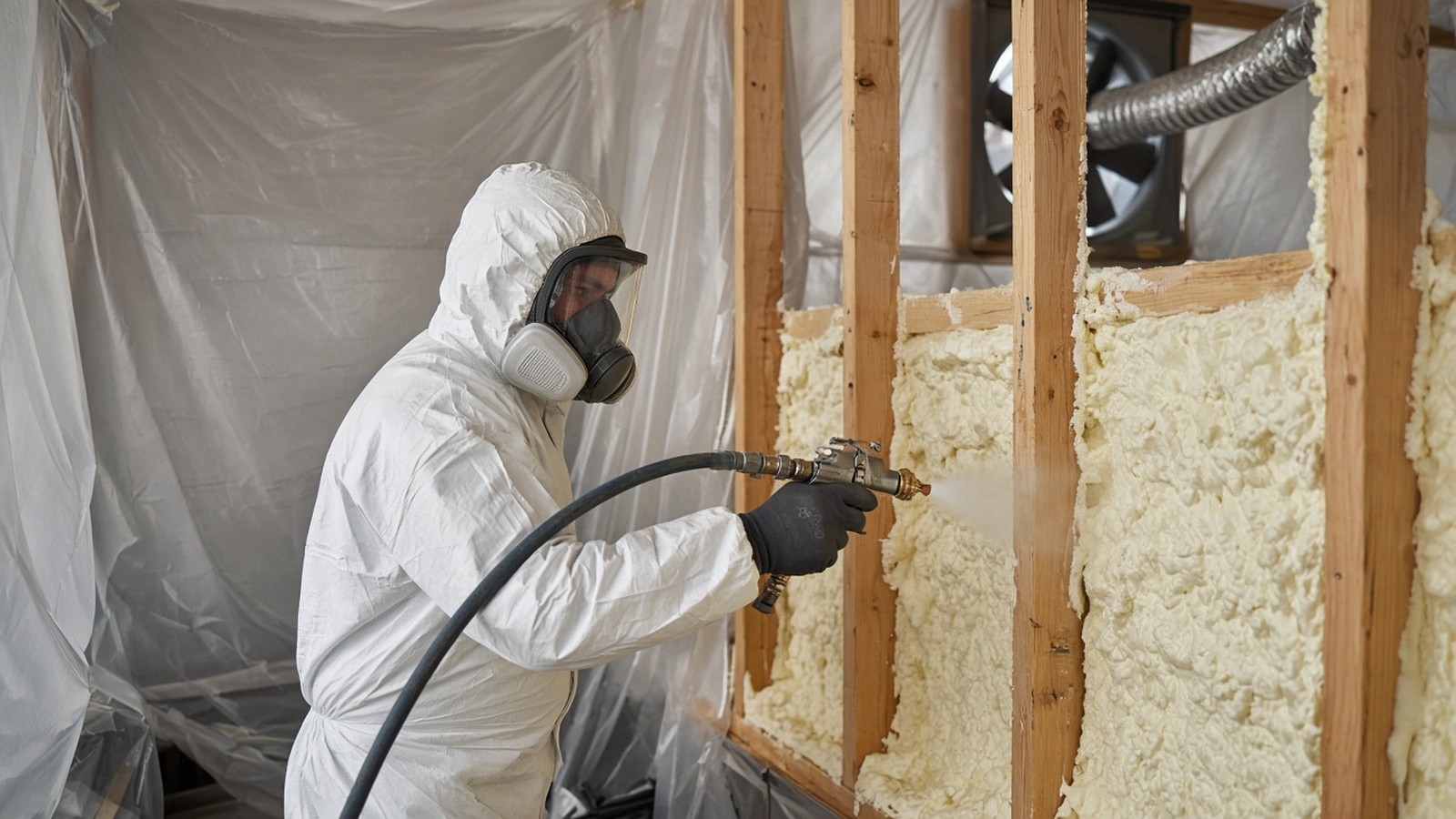
The U.S. EPA warns that exposure to isocyanates and other spray polyurethane foam chemicals in vapors, aerosols and dust during and after installation can cause asthma, sensitization and lung damage. EPA’s client checklist says clients should expect to vacate the work zone before application and not return until the foam has cured and the site has been ventilated and cleaned. Some manufacturers recommend about 24 hours before re-occupancy, but the correct time depends on the product and conditions, so ask the installer for the manufacturer’s guidance. Our guide to creating a safe spray foam environment expands on this.
How to evaluate a closed cell spray foam quote
- Get the product name and data sheet. Look for density, closed cell content, aged R-value per inch, flame spread and smoke development, and any limitations.
- Ask for thickness by assembly. Walls, roof deck, rim joists and crawl space walls rarely need the same depth. Ask how the thickness meets the R-value or code target in your climate zone.
- Ask about the vapor retarder and condensation plan. In colder climate zones, ask how the assembly meets code and whether the foam thickness qualifies.
- Ask about fire protection. Which thermal barrier or ignition barrier goes where, and who installs it?
- Ask about moisture and temperature checks. A good crew checks the substrate and the weather instead of spraying on a damp wall.
- Ask about ventilation and re-entry. Get the plan in writing.
- Check the crew. Our guide to hiring a spray foam contractor lists questions to ask.
Frequently asked questions
What is closed cell spray foam used for?
Typical uses include rim joists, unvented attic roof decks, crawl spaces, basement walls, metal buildings, tanks and walls where space is limited. It is chosen when high R-value per inch, rigidity and moisture resistance matter.
What is the R-value of closed cell spray foam?
Published figures range from about R-6 to R-7 per inch. The ArmorFoam 2.0 data sheet lists an aged R-value of 7 per inch, while DOE’s Building America guide gives a typical figure of about R-6. Use the data sheet for the product being installed.
Is closed cell spray foam a vapor barrier?
It acts as a vapor retarder at typical applied thicknesses. Building Science Corporation notes that high density closed cell foam qualifies as a Class II vapor retarder at 1.5 inches in IECC Climate Zones 5 to 8 and Marine 4. Check your local code.
Can closed cell spray foam be left exposed?
Not inside a building. Interior foam needs a code-approved thermal barrier or an ignition barrier in limited spaces. Outdoors, sunlight degrades foam, so exterior foam requires a protective coating and a product designed for it.
Is closed cell spray foam safe?
Installed and cured properly, it is widely used. The risk is during and just after installation, when workers and occupants can be exposed to chemicals. Follow EPA guidance: vacate the work zone, ventilate and wait for the manufacturer’s re-entry time.
Closed cell vs open cell: which is better?
Neither is better in every case. Closed cell gives more R-value per inch and acts as a vapor retarder at typical thickness. Open cell is softer and more vapor permeable. The right answer depends on the assembly, climate and code.
Next step
If you are planning insulation or a spray foam business, talk with a trained applicator and ask for the manufacturer’s data sheet. You can find an ArmorThane dealer or applicator near you and ask about ArmorFoam for insulation work. For any exposed roof or surface that needs a protective coating over foam, ask which of ArmorSeal 100 AL, SureGrip and ArmorFlex UV, if any, fits that surface and its exposure.
Free · No obligation
Get spray foam quotes from a local pro
Tell us what you want insulated and where. We’ll connect you with a qualified spray foam contractor near you.

Diana Mills is the founder and editor of Foam Insulation Review. With over 15 years of experience in the building materials and spray foam industry, she has tested hundreds of products, interviewed leading contractors, and published in-depth guides for homeowners and professionals alike. Diana is passionate about helping people make smarter insulation decisions.